The fascinating journey of gambling A historical evolution through the ages
The Origins of Gambling
The history of gambling dates back thousands of years, with evidence found in ancient civilizations such as Mesopotamia and China. Archaeological findings indicate that people participated in games of chance using rudimentary dice made from animal bones. These early forms of gambling were often tied to spiritual beliefs and rituals, signifying a deep-rooted connection between chance and fate. Players today also have the option to explore an uk online casino not on gamstop for a unique experience.

As societies evolved, so did the methods of gambling. By the time of the Roman Empire, gambling had transformed into organized activities. The Romans popularized betting on gladiatorial contests and chariot races, creating a culture where risk and reward were integral parts of entertainment. This laid the foundation for the gambling practices we see today.
The Middle Ages and the Renaissance
The Middle Ages saw a decline in gambling activities due to stringent laws imposed by the church. However, by the Renaissance, gambling re-emerged as a favored pastime among the elite. The introduction of card games such as Tarot and the development of games of chance like dice and lottery became prevalent. Gambling houses began to pop up, catering to the wealthy, who indulged in games of skill and chance.
This period also marked the rise of regulations and the establishment of formalized games, such as the first known gambling license issued in Venice. The increase in gambling activity during this time influenced social interactions, leading to gambling becoming a significant aspect of European culture.
The 18th and 19th centuries marked a significant transformation in gambling practices. The establishment of formal casinos in cities like Monte Carlo in the 19th century created luxurious venues dedicated to gambling. This era also saw the birth of modern betting systems and the diversification of gambling forms, including horse racing and sports betting.
Technological advancements during this period, such as the printing press, facilitated the spread of information related to odds and betting strategies, making gambling more accessible to the masses. This democratization of gambling led to its rise as a widely accepted form of entertainment, particularly among the working class.
The Digital Revolution and Online Gambling
The advent of the internet in the late 20th century revolutionized the gambling landscape. Online casinos emerged, allowing players to engage in games from the comfort of their homes. This shift has not only broadened access to gambling but also introduced a variety of options including live dealer games and mobile betting.
The digital age also brought about concerns regarding responsible gambling, leading to the development of regulations and safeguards to protect players. This transition into online platforms has created an ever-evolving space where technology and gambling intersect, continuously shaping how people engage with games of chance.
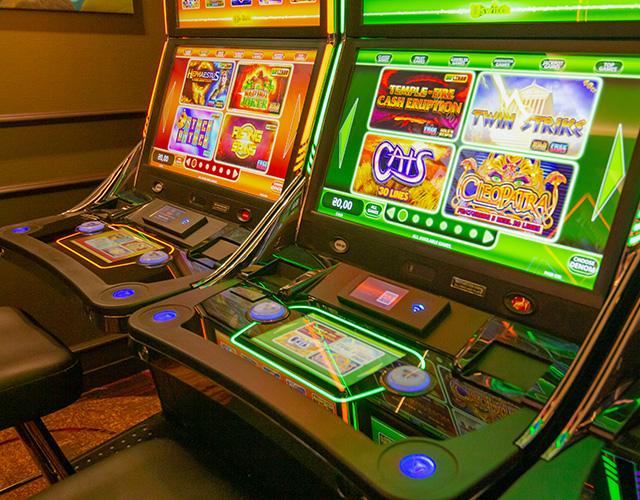
Exploring Online Gambling Options
Today, the landscape of gambling is more diverse than ever. The rise of non-traditional gambling sites has provided players with alternative avenues, expanding the choices available. These platforms offer unique experiences, unrestricted access, and various gaming options that cater to different preferences.
For enthusiasts seeking a thrilling online gaming experience, understanding the available options is crucial. As the industry continues to evolve, players can benefit from informed choices that enhance their overall gambling experience, ensuring they have access to secure and exciting platforms that meet their needs.
“`