Understanding the Different Types of Flooring Available in Barrie

Floors are the largest surfaces in homes. Selecting the most appropriate flooring material depends on your personal taste, installation location, lifestyle, and budget. Every flooring type available in Barrie has unique benefits, cost implications, and cons.

Our post explores the six leading flooring materials you can install in your home. These include carpet, vinyl, hardwood, tile, laminate, and natural stone tile. We shall cover each option’s overall flooring costs, pros and cons, and also tips for choosing suitable flooring materials.

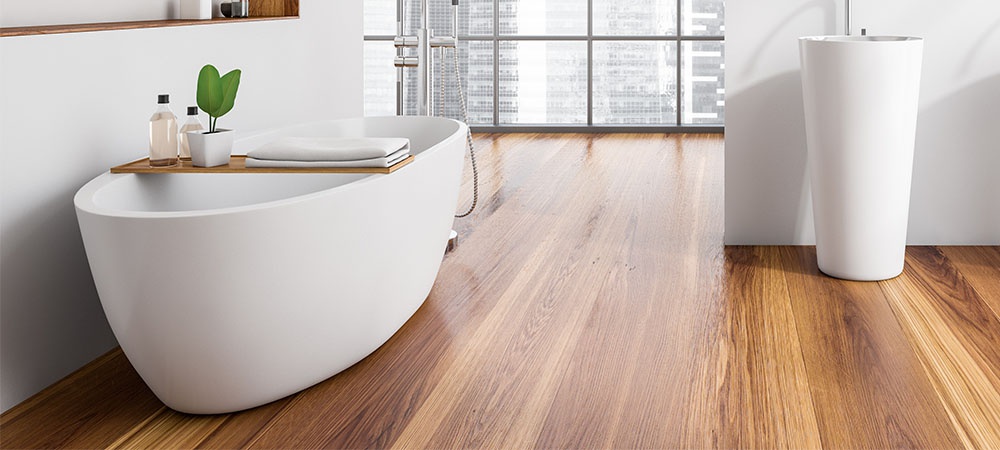
1. Natural Wood

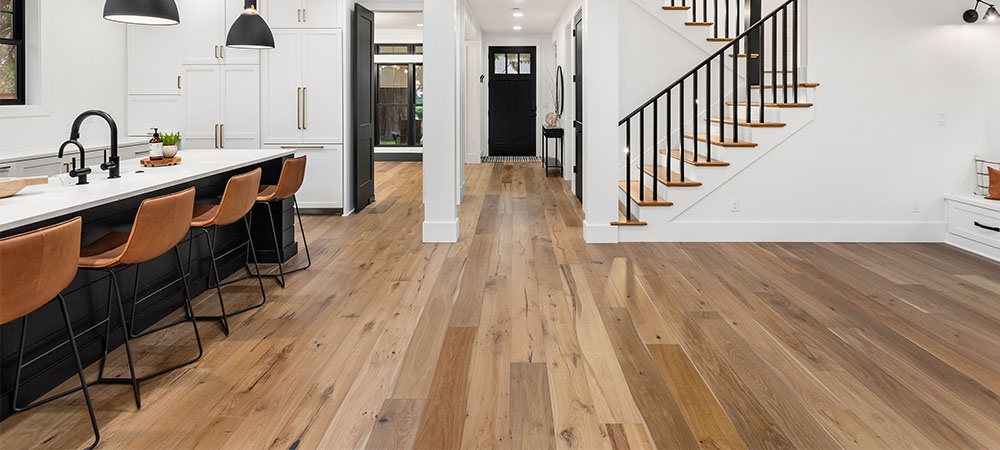
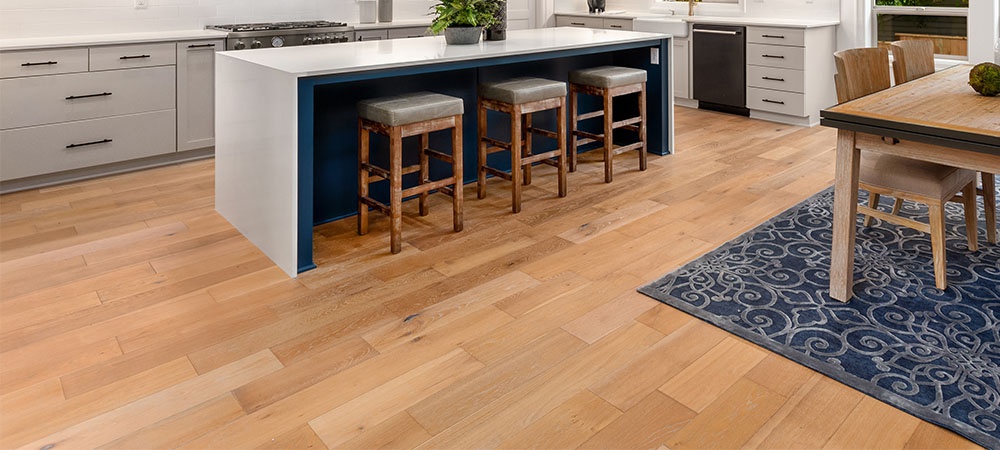
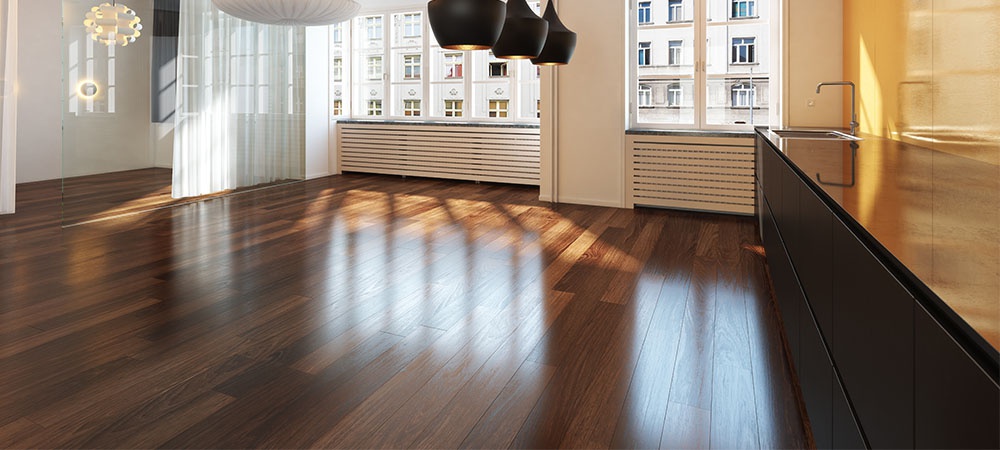
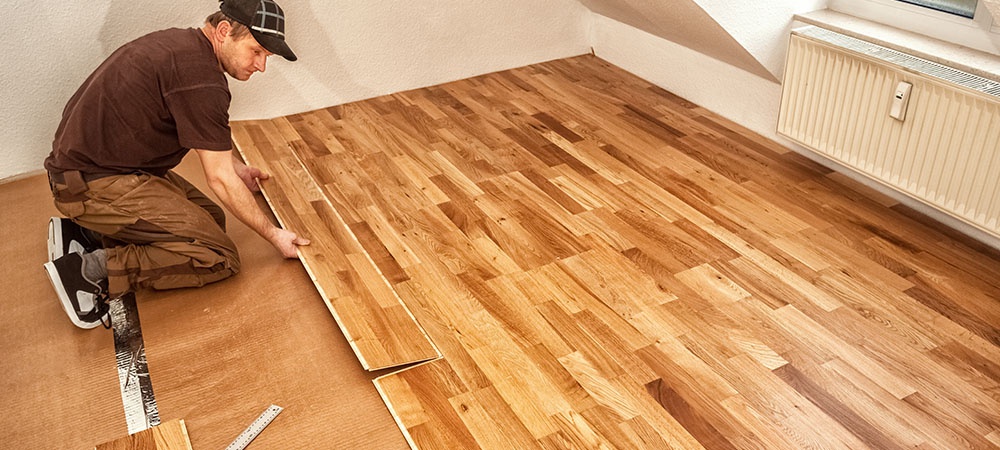
Natural wood is one of the favourite flooring choices Barrie residents have. It requires gluing and nailing to a subfloor by professional installers. A subfloor is a rough concrete or plywood surface below your finished wooden floor.

A solid wood floor isn’t ideal in locations exposed to water, humidity, and moisture, such as kitchens, bathrooms, and basements. Rooms exposed to high child or dog activities expose them to scratching.

Advantages:

  • The best visual appeal.
  • Various materials, colors, and styles.
  • Great value for your money.
  • You can resurface it every 3-5 years.
  • Ideal for shared living spaces.

Disadvantages:

  • Costlier than other top flooring materials.
  • May develop scrapes, scratches, and dents over time.
  • A bit vulnerable to moisture damage.

For labour and materials, the average cost of installing a solid wood floor ranges between $6 and $12 per square foot. However, the price rises depending on your chosen wood and design. It costs about $3 to $8 per square foot to refinish a wooden floor.

2. Laminate

Laminate is another popular floating flooring option because it doesn’t need a subfloor. However, it requires soft underlayment like foam. It can be glued or clicked, depending on your chosen laminate type. It’s scratch-resistant; you can install it in high-traffic areas like hallways and homes with children and pets.

Advantages:

  • It’s cheaper than hardwood.
  • It’s easy to install.
  • Laminate is durable.
  • Comes in various colors and styles.
  • It’s excellent for high-traffic rooms.

Disadvantages:

  • It’s vulnerable to moisture damage.
  • Laminate is difficult to repair.
  • Not suitable for kitchens or bathrooms.

Averagely, installing laminate costs between $3 and $7 per square foot.
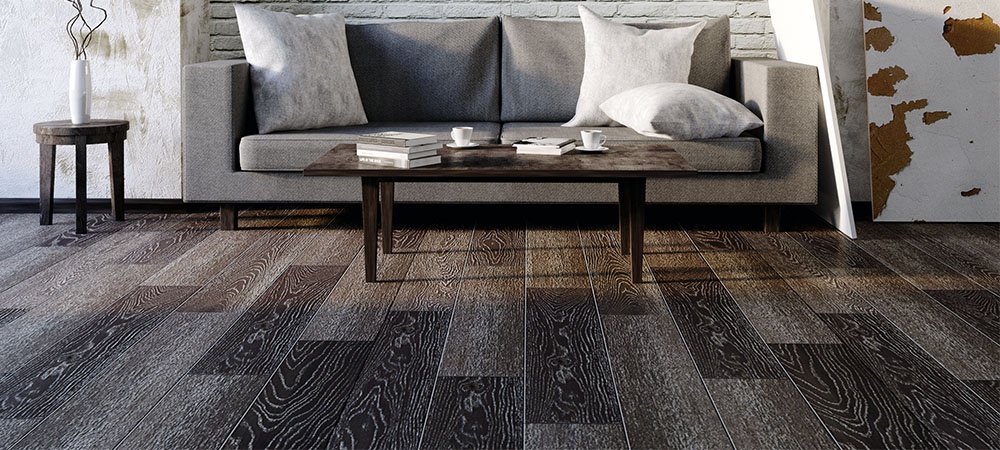
flooring cost

3. Vinyl

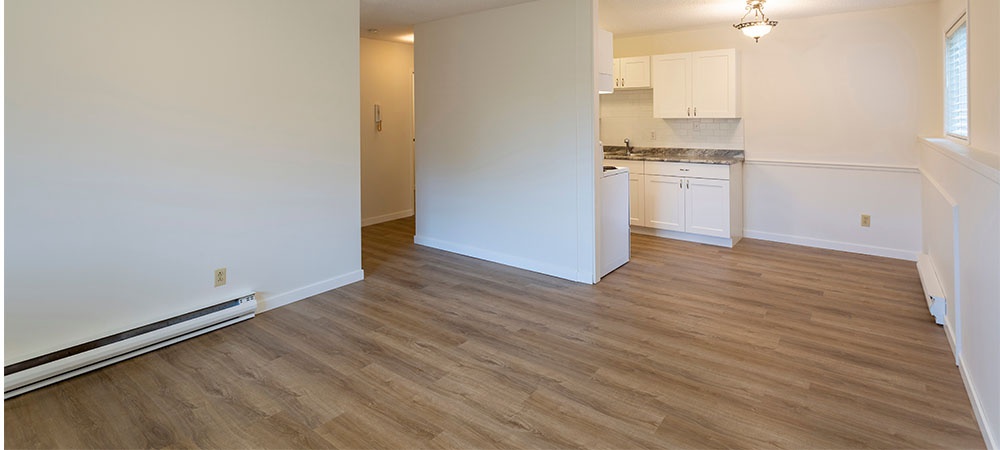
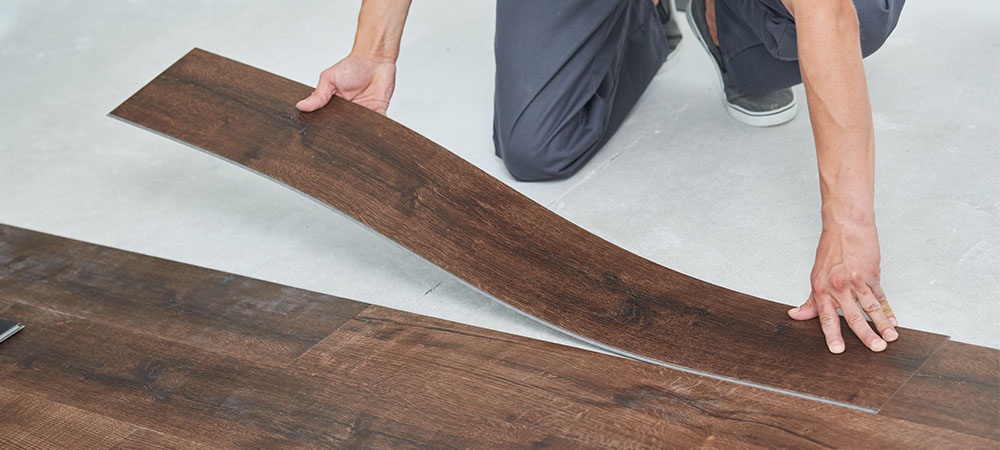
Vinyl flooring is an excellent alternative for homeowners who have tighter budgets or just don’t like natural wood. Modern vinyl is durable and effectively mimics wood, ceramic, and stone flooring. It’s suitable for installation in bedrooms and living rooms.

Advantages:

  • It’s cost-effective.
  • Comes in various forms and styles.
  • Suitable for high-traffic locations.
  • It’s easy to maintain.
  • It’s ideal for DIY installation.
  • It takes 1-2 days to complete

Disadvantages:

  • It offers lower ROI than wood and laminate.
  • It’s less popular because of its appearance.

Depending on its type, you will spend an average of $1.50 (sheet vinyl) to $6 or more (LVP and LVT) per square foot.

4. Tile

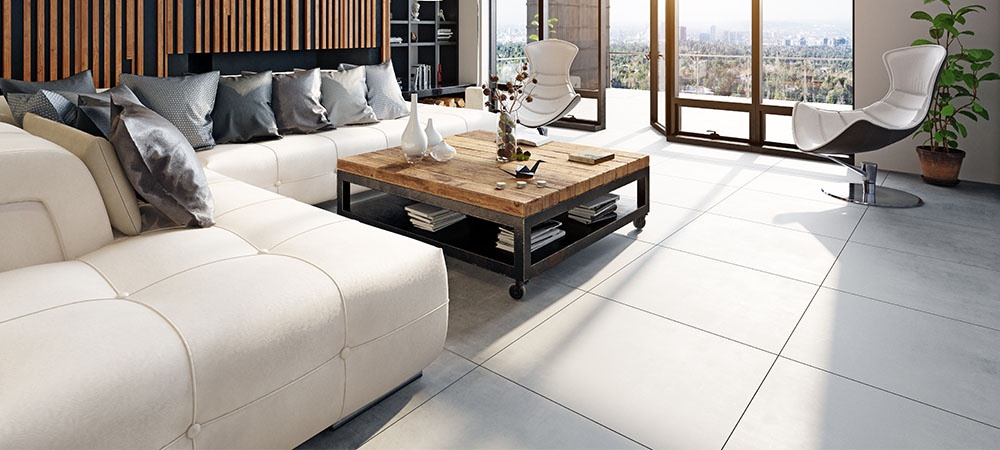
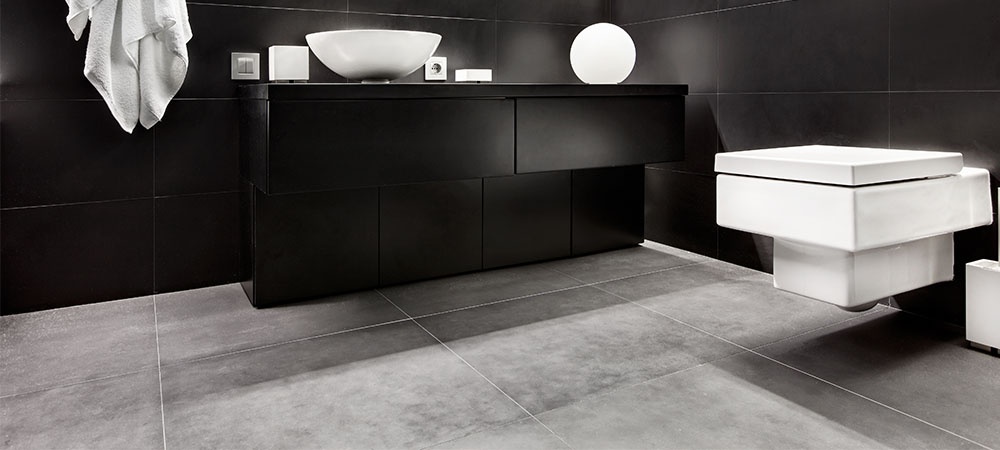
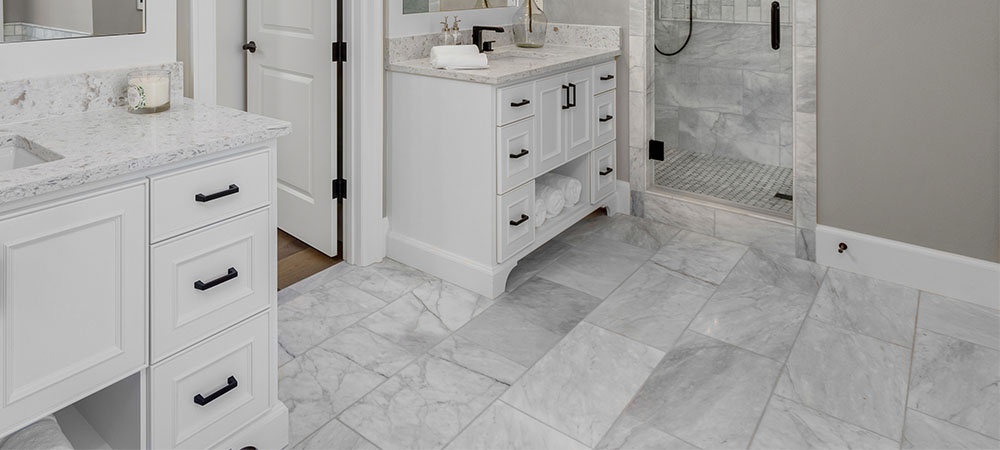
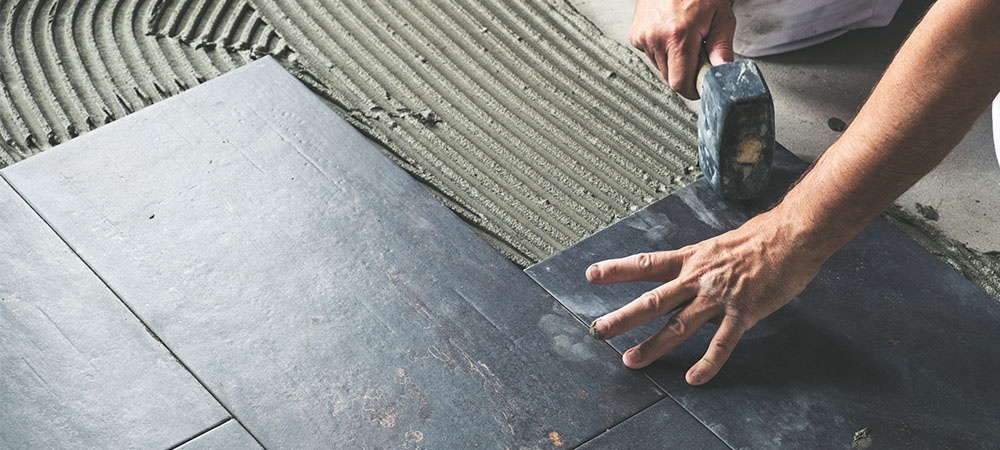
Tile is another popular flooring type in Barrie. It comes in different forms, like ceramic, porcelain, and stone. You can use unglazed tiles in your bathroom to avoid slipping accidents. However, ensure it has a higher Coefficient of Friction (CoF) rating before installing it.

Don’t use porcelain tile floors in high-traffic areas because it’s vulnerable to chipping. You may use ceramic and porcelain tile flooring in high-traffic sites.

Advantages:

  • It has various looks and designs.
  • It’s durable.
  • It’s non-porous or water-resistant.
  • Ideal for kitchens, bathrooms, and entryways.

Disadvantages:

  • It’s expensive.
  • Hard to install.
  • May chip and scratch under heavy use.

The average installation cost is $2.50 per square foot for ceramic and $3 to $10 for porcelain.
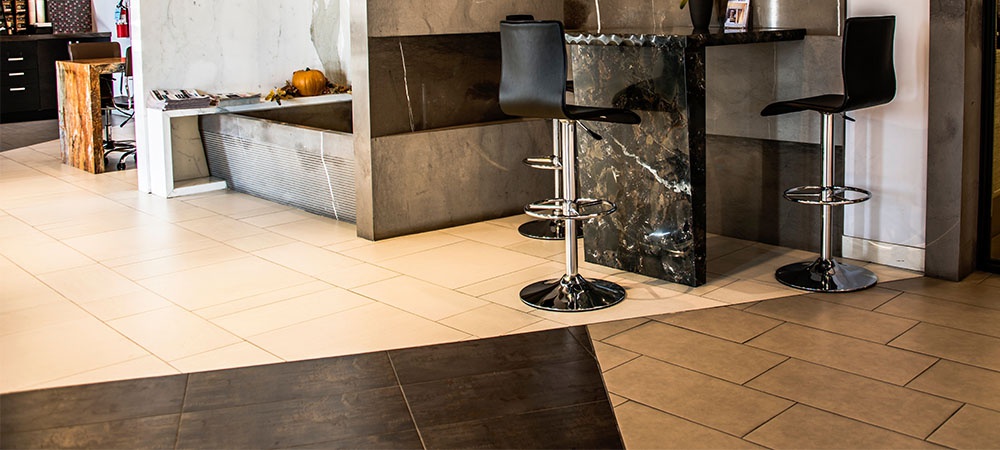
porcelain tile flooring in barrie

5. Natural Stone Tile

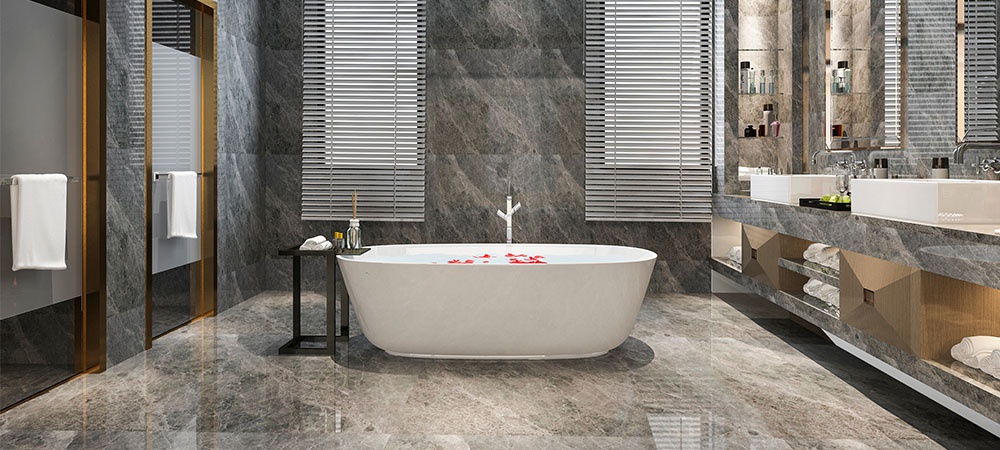
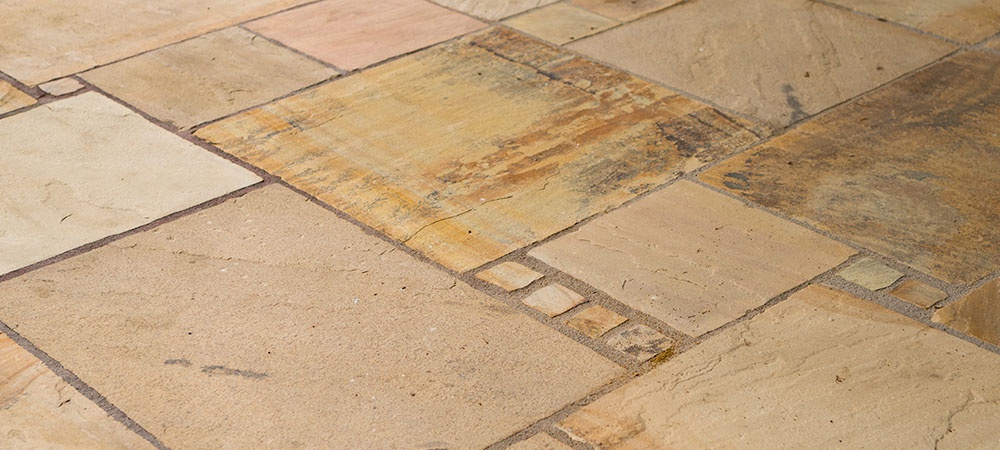
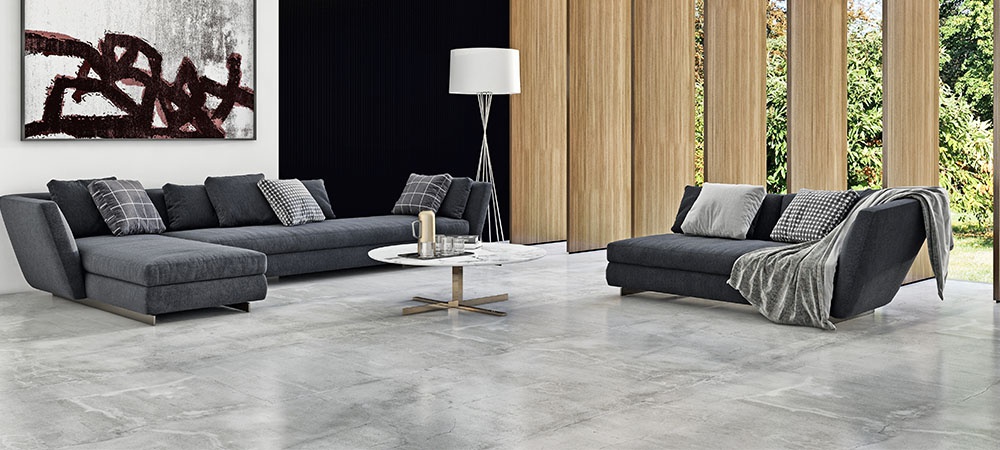
Natural stone tile is one of the best options for homeowners seeking a classic look. It includes granite, marble, travertine, and sandstone. Some stone materials, like travertine, last longer than others. Moreover, different flooring stones have varying purposes, applications, and properties. Its hard and durable nature makes it suitable for installation in high-traffic areas like hallways and entryways.

Advantages:

  • It’s durable.
  • Stone is insulated for greater warmth.
  • You can find it in many styles, colors, and shapes.
  • It’s excellent for radiant heating.
  • Stone is eco-friendly.
  • You can use it in homes with kids and pets like dogs.

Disadvantages:

  • It’s one of the most expensive alternatives.
  • It chips and scratches easily.
  • Some stone tile types are porous.
  • Repairing stone tile is expensive.

Due to its installation difficulty and weight, hiring a professional is the best option. An installation contractor charges an average of $5 to $10 per square foot. An average homeowner spends between $800 and $3,000 on materials and labour.

6. Carpet

Carpets are some of the most common floor options among homes and commercial users. Carpeting offers excellent warmth for feet. You may use it in offices, as stair runners, as area rugs, and even to make your patio more comfortable.

Advantages:

  • It’s highly cost-effective.
  • Carpet is soft and warm on the feet.
  • It comes in many colors and designs.
  • It’s excellent for soundproofing.
  • Stain-resistant varieties are available.

Disadvantages:

  • It might be a bit difficult to maintain, requiring annual professional cleaning.
  • It can absorb odours.
  • Not suitable for homes with persons suffering respiratory complications.
  • It’s not ideal for homes with pets.
  • It’s unsuitable for use in moisture-prone locations like kitchens and bathrooms.

Depending on its material and padding thickness, the average installation costs range from $2.50 to $10 per square foot.

Tips for Choosing the Right Floor Type in Barrie

Here are quick tips to help you select the most suitable flooring materials.

  • Choose your material based on its installation location. Some materials like carpet and hardwood aren’t suitable for all spaces.
  • Select a flooring type based on your family’s needs. A home with young kids and pets needs spill-proof and scratch-resistant floors.
  • Every flooring material has varying prices. So, choose your flooring based on your budgetary limits.
  • Some flooring alternatives require padding, increasing overall installation costs.
  • Select your flooring materials based on the aesthetic appeal you wish to create. Some floors are more stylish than others.
  • Choose a flooring material with its long-term benefits in mind. Costlier materials offer better long-term investment.
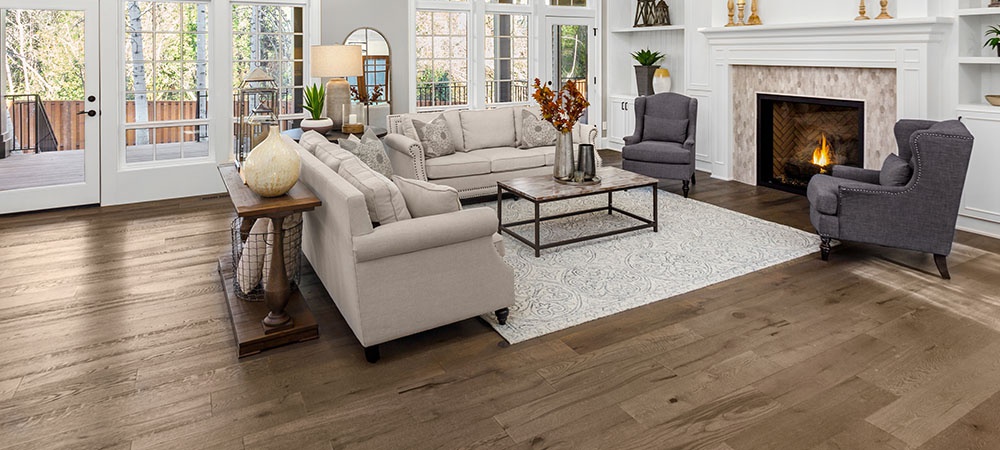
floor type in barrie

Let’s Floor Your Home Today

There you go with the top six flooring types in Barrie. How would you like us to help you with your flooring needs? Don’t hesitate to contact us today for a free quote and consultation.
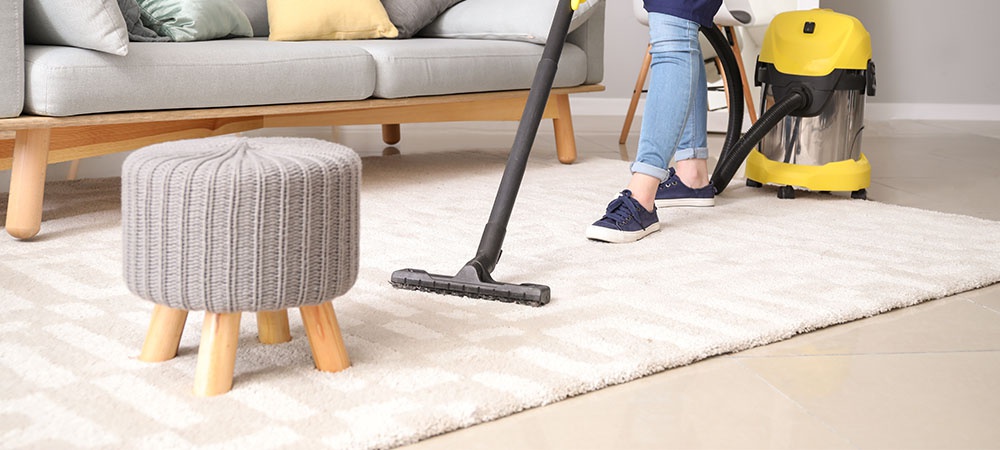
How to Choose the Right Carpet for You?

What compares to or feels better than the luxurious, soft feeling of a dream carpet under your feet? Nothing! Choosing rugs for your flooring needs offers everyone a safe and comfortable spot. Kids can play on them with a reduced risk of fall-related injuries. Besides, their warmth and superior comfort significantly outweigh their purchasing and maintenance costs.

Excellent carpeting also has various designs, materials, types, and colors. This rich diversity somehow complicates matters when choosing an ideal carpet. Some carpets are more expensive, while others require frequent cleaning and are unsuitable for people with respiratory challenges.

So, how do you get the best value for your money while protecting and pleasing everyone in your home? Here are nine tips to help you make a worthwhile decision.

1. Carpet Types

Carpeting has various types designed to suit various personal tastes and preferences. Every carpet type has unique looks that suit different lifestyles. Here are the main types of carpeting you can choose from.

  • Plush

This carpeting is constructed from a tightly twisted pile. It’s inviting, thick, and soft. It also shows vacuum tracks and footprints. It sometimes develops pooling or areas that appear shaded due to reversing the carpet fibres’ normal direction.

  • Saxony

This rug is the most commonly used and resembles plush. It’s best suited for low-traffic spaces like master bedrooms and living rooms.

  • Berber/Loop Piles

Unlike the first two types, it’s made from continuous fibre. It’s dense and flat and, at times, may have a level loop, cut-and-loop, or multi-level loop design. These features make it one of the most durable carpets. Moreover, it doesn’t show tracks, stains, and soil. Thus, it’s your best bet for high-traffic locations or places children frequently visit.

  • Textured

This carpeting option is made of fibres cut to various heights, making them reflect light. This feature hides dirt and tracks, making it the best choice for high-traffic areas.

  • Friezes

These carpets are cut-pile and crafted from twisted fibres. They appear more informal but are fancier than most textured carpets. These rugs are soft on your feet. Their fuzzy nature hides dirt and footprints.

2. Maintenance Requirements

Consider maintenance requirements before choosing a carpet. Homeowners with pets or kids should opt for low-maintenance mats. Going for stain-resistant carpets saves you from the frustration spills cause and reduces your cleaning time.

Asking the floor salesperson or other online customer support staff about a carpet’s maintenance needs is prudent. It shows you how much time and money you will spend caring for the rug. Additionally, this inquiry helps you know if the carpet needs special cleaning products or equipment.

barrie carpet

3. Area Traffic

You need to factor in the traffic volume of your target space to narrow down your desired options. Areas with heavy traffic or exposure to spills, such as dining rooms or children’s rooms, need durable, stain-resistant carpets. Rooms with light traffic require soft and durable mats.

4. Correct Padding

Considering appropriate padding is another factor to consider when choosing a carpet. It might seem cost-effective to forego it, but your carpet will miss the support, strength, and additional cushioning padding provided. Avoiding padding exposes your carpet to extra wear and tear. Getting the correct padding has these benefits:

  • It conceals subfloor imperfections to improve the finished floor’s appearance.
  • It insulates your floors, helping control temperature.
  • The padding absorbs sound to protect your privacy.
  • Your carpet will last longer because padding protects it against backing and its fibres from coming off with use.

We recommend getting sound padding advice from experts before carpeting your house. Your home’s high-traffic rooms require dense padding, while low-traffic spaces need lesser protection.

Don’t forget to match the padding to the type of carpet you want to buy. 7/16-inch padding with 6 pounds of density per cubic foot is ideal for supporting cut piles or cut loop carpeting. For Berber or thin loop rugs, a 3/8-inch pad or thinner, with 8 pounds of density per cubic foot, is excellent.

5. Room Size

Your room size is another factor to consider when choosing the right carpet for you. Room size and your carpet color and style affect your project’s overall cost. A larger room costs more to carpet, while a smaller one costs less.

Smaller rooms appear larger with light-colored carpets, while darker colors make them feel smaller and more crowded. You can make larger spaces feel warmer and more inviting with dark-toned carpets, while lighter rugs make them airier.

carpet cost in barrie

6. Color

Color should also feature in your carpet choice. The exact color scheme depends on your goal with the new carpet. You can choose bold colors like red, blue, and black to make your carpets focal points. Basic colors like grey, tan, and white fade in the background. Opting for light colors can hide anything like dirt spots.

7. Materials

Carpets come in different materials that dictate how your mat looks and functions. Below are the top materials you can choose from.

  • Polyester

This material is stain-resistant and feels cushy when you step on it. However, it’s harder to clean, sheds, and isn’t durable.

  • Triexta

Triexta comes from corn sugar. It’s stain-resistant and resilient. This material is relatively new, and it’s yet to gain popularity.

  • Nylon

Nylon is the most resistant carpet material. However, you must treat it regularly with stain-resistant sprays.

  • Olefin

This material resists fading, mildew, and staining well. It’s also cheaper but less durable than nylon and is ideal for living rooms.

8. Pile and Style

Remember style and pile because they determine a rug’s look in your house.

  • Pile

A cut pile is looped and plush. Some carpets comprise patterned looks with variable heightened loops.

  • Style

Cuts also have shagged, twisted, smooth, or textured styles. Smooth styles are more formal, while twisted and shagged ones are casual. Looped piles can be levelled, improving the density of patterned loops.

9. Warranties

Lastly, warranties should also inform your final decision to buy a given carpet. They reassure and show you your carpet’s quality levels. A rug with longer warranties is durable and high-quality, and vice versa.

rugs in barrie

Call Us Today for All Your Flooring Needs

There you go with everything you need to know before choosing the right carpet for your floor. Don’t hesitate to contact us today for all your flooring needs. Our lines are open; call us today for a free quotation and consultation.

How to Choose Which Floor Tiles Design is Right for You

Constructing elegant spaces that reflect your personality, likes, tastes, and preferences gives you a sense of satisfaction and ownership. Flooring is one of the most critical areas you should pay special attention to when building. Flooring exposes you to different favourite materials like tile. The market has many floor tiles design from which you can choose. But how do you select the right design for your house? Here are practical tips to help you make an informed decision that gives you value for your money.

1 .Style

You must consider style before choosing the correct tile for your home. First, factor in your house’s style. Ensure your tile’s style matches your home’s.

Second, consider your tile’s style before settling for it. Going for a tumbled, stone-looking, or rustic style can match any interior décor. Such tiles are good at hiding dirt. Opting for marbleized tiles gives your home a formal appearance.

2. Color

Color is another factor to consider when selecting the right tile design for your home. You must consider the general feeling you want to achieve in the space requiring tiling. Do you want to achieve an atmospheric, serene, or relaxing mood?

A relaxing mood is excellent for your bathroom. Thus, choose appropriate tile colors that blend perfectly. For your kitchen, you might need a more vibrant mood; hence, go for contrasting colors.

3. Room Size

Your room size is another essential factor to consider. Using larger tiles makes your room feel airier and larger. Therefore, use smaller tiles in larger rooms. You may also use light to dark-colored tiles for bigger spaces. If you have smaller spaces, you need to use light-colored tiles to make them feel bigger.

4. Tile Size

Tile size should also inform your final choice. Smaller tiles are suitable for spaces like bathrooms, toilets, and kitchens. The best tile sizes range between 3/8″ mosaics and 5’x10’ porcelain panels. Proper tile sizing requires capturing a room’s proportional and relative appearance. Tiling with larger tiles helps limit the pattern effects of grout, making rooms look bigger and more spacious.

floor tile sizes

5. Grout

Choosing the correct grout color is also necessary for selecting the right tile design. Selecting a contrasting grout emphasizes design and lines. Inversely, grout with a contemporary color creates a subtle effect. Only remember to seal your grouting areas to prevent staining.

6. Porosity

Porosity is another essential dimension when opting for a given tile design. The ratio of air holes to solids during a tile determines a tile’s porosity, directly impacting its water absorption power. Pay attention to the tile’s rating when tiling moisture-prone spaces like mud rooms, bathrooms, laundry, and kitchens. Tile porosity comes in the following classifications:

  • Impervious: It has water absorption of 0.5% or less and is ideal for kitchens and bathrooms.
  • Vitreous: Has water absorption of 0.5% to 3%.
  • Semi Vitreous: It has water absorption of 3% – 7%.
  • Non-Vitreous: Its water absorption is 7%, and isn’t ideal for floor use.

7. An Ideal Tile Finish

Picking your perfect tile finish is another factor to consider when choosing your tiles. You can select from these finishes:

  • Gloss

Tiles with this finish have a mirror-like sheen. They reflect light, add brightness, and give your rooms a spacious look. These tiles aren’t suitable for kitchens or bathrooms because they get slippery when wet.

  • Matte

Tiles with a matte finish are slip-resistant and non-reflective. They hide stains and dirt. Also, they reduce the risk of falling in moisture-prone spaces like bathrooms and kitchens. We recommend choosing tiles with a COF (coefficient of friction) value of over 0.6 for maximum safety.

  • Semi-matter or lappato

Tiles with this finish have a higher shine than matte tiles and are non-slip, minimizing slip-and-fall accidents and injuries.

matte tiles barrie

8. Tile Durability and Hardness

Durability and hardness are other issues to pay attention to when choosing the right tile. You can determine your tile’s hardness using a simple rating system called the PEI scale. This scale classifies tiles between classes 1 and 5, where class 5 has the highest abrasion resistance. This scale considers factors like the tile’s ability to withstand pedestrian activity, wear, and tear.

  • Class I: This class includes tiles that can’t withstand moving traffic, making them ideal for walls.
  • Class II: These tiles are suitable for light traffic or interior wall applications. They’re appropriate for areas with little foot traffic, such as restrooms and rooms without outside access.
  • Class III: Such tiles can accommodate light to moderate traffic. They’re perfect for countertops and walls. You may use them in any room except those with heavy traffic areas like kitchens and lobbies.
  • Class IV: Such tiles can withstand moderate to heavy traffic. You can install them in all house areas, like kitchens, halls, and entryways.
  • Class V: These tiles are the strongest and can accommodate heavy to extra-heavy traffic. They work well in all rooms and commercial spaces.

9. Pattern and Texture

Don’t forget to pay attention to the tile’s texture and pattern. You can choose your tiles from various patterns. Technological advancement enables manufacturers to print tiles to simulate the feel and looks of natural stone, wood, and marble. You may also mix and match two or more tiles to create excellent patterns.

10. Slip Resistance

Slip resistance is a critical factor to consider when choosing tiles. Most tiles are slippery when exposed to water, exposing people to fall accidents. Bathrooms and showers are some of the riskiest areas. Therefore, pay particular attention when deciding.

11. Calculate the Cost

Lastly, remember cost implications before choosing a particular tile type and design. You must calculate the number of tiles required for your project and add 10% to cover wastage. Ensure your tiles’ cost fits your tiling budget.

floor tiles cost in barrie

Let’s Help You Tile Your Floor Today

Choosing the right tile design for your house is critical. We hope the insights we shared in this post will help you choose correctly to get value for your money.

Don’t forget that working with a reputable contractor is still necessary for your tiling project’s success. So, contact us today for a free consultation and quote.

What are the Different Types of Floors?

The market presents homeowners with various types of floors materials that meet their personal tastes, preferences, styles, and likes. They can choose from carpet, hardwood, engineered wood, natural stone, vinyl, and many others.

Our discussion explores the leading flooring materials to help you make an informed choice. Keep reading.

1. Carpet

Carpeting adds warmth to your house and is excellent for living rooms. Carpeting also makes your home cozy, comfortable, and inviting for your guests. Also, it’s one of the most affordable materials, providing an excellent alternative to ceramic and wood.
However, carpets trap stains, odours, and dust, making them unsuitable for people with allergies and other respiratory challenges. You can enjoy carpet flooring types like loop pile, cut loop pile, level loop pile, Saxony, twist, frieze, and velvet.

2. Tile

Tile is another popular flooring option that comes in various forms and styles. It permits high levels of artistry in that any design can be embossed on it.

Tiles enhance your home’s resale value but don’t insulate it against cold, making your floor feel cold during winter. Installing tiles on your own can be tricky because you need specialty installation tools. However, they remain an excellent choice because of their versatile and durable nature. You can enjoy tiles in different types as below.

Porcelain

These tiles come in glazed and unglazed varieties. They’re some of the most durable tile alternatives because they’re fired at very high temperatures, making them the hardest type.

● Ceramic

Ceramic tiles are versatile and have various colours, shapes, sizes, and textures. These qualities make them an excellent choice that coordinates well with any room. The tiles are made by combining clay and shale and then firing them in a kiln for hardening. Various pigments are added to the mixture to give the tiles various colour choices.

● Terracotta

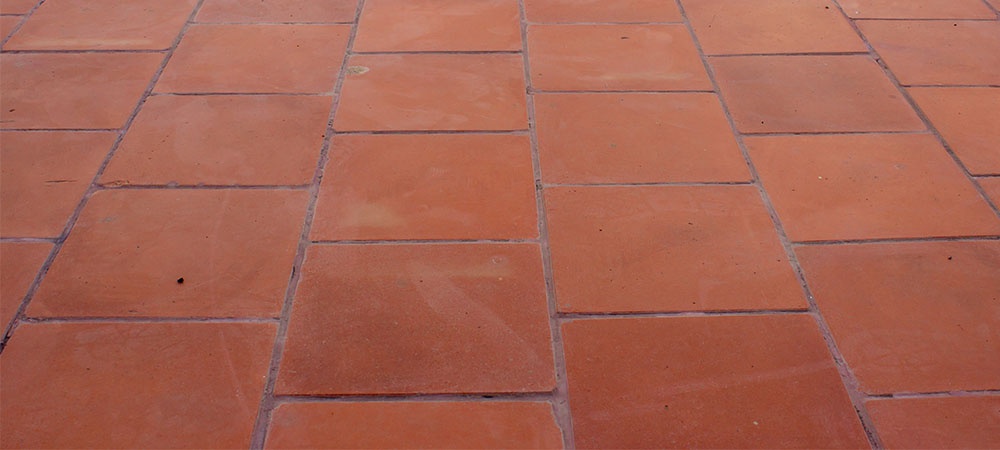
This unglazed tile type is common in outdoor spaces or homes with rustic décor schemes. It’s the least durable flooring tile.

● Quarry Tile

Quarry tile is ideal for homeowners who don’t mind tiling their homes using non-shining tiles. They derive their colours from the pigments added directly to clay mixtures. Quarry tiles have a rough texture, making them more slip and fall-resistant than other tiles.

● Glazed Ceramic

These tiles have glossy coatings applied to them before firing them. Their coatings give them a glass-like finish, making their maintenance more manageable.

3.  Laminate

Laminate is another top flooring option. It imitates other flooring materials like marble, ceramic, or hardwood flooring. Therefore, it’s a cheaper alternative for homeowners who don’t want to spend money on these costlier flooring. However, anyone can differentiate its mimicking of these flooring materials.

This flooring material is versatile, dynamic, and easy to install. It’s durable and increases your home’s resale value.

4. Natural Stone

This flooring material is popular for indoor and outdoor use. It comes in different types, like granite, marble, travertine, and sandstone. Natural stone is durable and waterproof.

It also comes in softer stones like sandstone and marble. However, soft natural stones don’t resist moisture the way harder stones like granite do. Thus, you must seal and finish your softer stones every few years. Harder stones require sealing and finishing every four to five years to maintain their beautiful appearance.

Soft natural stones are also prone to scratching, cracking, and other damage. Therefore, always buy some extra replacement slabs to ensure that you replace broken pieces with identical textured marble slabs.

5. Hardwood

Hardwood flooring is many homeowners’ darling choice because it enhances a home’s resale value. It can have a modern or rustic look. It has a warm and cozy feeling. However, all these benefits come at a high cost. But the flip side is that you can refinish it many times to maintain its brand-new look.

6. Vinyl

Vinyl is another favourite flooring material. It comes in various colours and has many excellent qualities. It’s versatile, durable, perfect for reducing sound, scratch-resistant, waterproof, slip-resistant, and affordable.

vinyl flooring barrie

Where to Install Each Flooring Type in the Home

Different flooring materials are suitable for various spaces. Therefore, use the right flooring material based on a room’s needs and use. Here are the five critical spaces to consider.

  • Bedroom

The bedroom requires warm flooring materials to make it cozy and more comfortable under your feet. You can floor it using carpet, vinyl, laminate, and wood.

  • Kitchen

The kitchen is in every home’s heart. Here, you prepare and enjoy meals with your family, particularly if you have a large island concept. Since it’s a high-traffic area, choosing a durable and easy-to-clean material is essential.

You may floor it using vinyl because it’s durable, water-resistant, and easy to clean. Laminate and tiles are other excellent flooring options.

  • Lounge/Dining Room

Depending on your personal taste and preference, flooring your lounge or dining room gives you many options. These spaces need warm and durable floors. You can install stone tiles or hardwood floors and add area rugs to break up spaces and create a comfortable surface beneath your feet. Alternatively, you may carpet your floor to give your dining room a classic, warm feel.

  • Landings/Stairs

Mostly, home occupants use these spaces barefooted. Thus, they need a warm flooring material that doesn’t make noise. Carpeting comes in handy because it has these vital qualities.

  • Bathroom and Other Wet Spaces

Spaces with lots of moisture and water need flooring materials that are easy to clean and maintain. The floors must also be water-resistant. Tiles and vinyl are the best options for these rooms.

bathroom flooring barrie

The Bottom Line on Different Flooring Types

Homeowners have many materials they can choose from when flooring their homes. These flooring materials have different qualities that make them suitable for various rooms. Some are more durable and affordable, while others are easy to install and maintain. Therefore, choose the ideal material based on your personal needs, preference, and likes.

Do you have a pending flooring project with which you need help? Don’t hesitate to contact Bayfield Flooring for a free estimate. Call us today for all your flooring needs.

What are the Pros and Cons of Each Flooring Type?

Choosing the ideal flooring type for your home is critical because it has many long-term ramifications. These implications include health, safety, beauty, and convenience. So, what should you consider when selecting the best flooring material for your home? Flooring materials pros and cons are some of the factors informing this decision.

Our post examines various flooring materials plus their pros and cons. Keep reading to choose the best flooring material for the kitchen and other spaces.

1. Carpet

Carpeting is one of the most affordable and popularly used flooring materials. It comes in various colors, textures, and materials. Some modern carpets are stain-resistant. It comes in different prices ranging between $2.50 to $10 per square foot.

Pros

  • Visually warms up spaces
  • It has numerous colors, materials, and designs
  • It’s excellent for sound insulation
  • Some types are stain-resistant
  • It’s cost-effective
  • It’s warm and soft on users’ feet
  • Carpeting has eco-friendly options

Cons

  • Most carpets require professional cleaning
  • Some varieties are still vulnerable to staining
  • It shows wear patterns
  • It adds no value to home buyers
  • It holds dirt and allergens, making it unsuitable for people with allergies
  • Not recommended for use with radiant heating

2. Tile

Tiling is another popular type of flooring material for home and commercial use. It’s an excellent choice for spaces prone to water and moisture, such as kitchens and bathrooms.

Tiling comes in porcelain and ceramic forms. It comes in different colors and styles. The average cost of installing ceramic tile is $2.50 per square foot and $3 to $10 for porcelain.

Pros

  • It’s water-resistant
  • Durable
  • It looks great
  • Has various colors and styles
  • Easy to repair
  • It’s eco-friendly
  • Safe for use with radiant heating

Cons

  • It’s costly
  • It’s pretty difficult to install because it needs lots of preparation work before installation
  • It feels cold on your feet
  • Tile can be slippery

different types of flooring pros and cons

3. Laminate

Laminate is a cost-effective alternative for homeowners who don’t want carpet but still wish to avoid costly tiles or hardwood. It comprises particleboard bases topped by tile or wood beneath clear plastic protective layers.

It’s one of the best options for DIY lovers and has various textures and colors. Installing laminate costs between $3 and $7 per square foot.

Pros

  • It’s cheaper than wood
  • Easy to clean
  • It’s scratchproof
  • Laminate’s DIY-friendly
  • Has various styles and colors
  • Easy installation
  • Durable
  • Very eco-friendly
  • It’s compatible with radiant heating

Cons

  • It’s vulnerable to moisture damage
  • It chips easily
  • It doesn’t look and feel like natural wood
  • Has poor soundproofing
  • Cheaper alternatives don’t look and feel original
  • Has low value for home buyers
  • You can’t refinish it
  • It has repeated photo patterns

4. Natural Stone

Natural stone is one of the best options for homeowners who want to connect with nature. It comes in different forms, like granite, marble, travertine, and sandstone. These various alternatives are excellent for indoor and outdoor spaces.

It has natural beauty and quality that many other flooring materials can hardly rival. It costs between $5 and $10 per square foot to install this floor.

Pros

  • It’s bold and elegant
  • Highly durable
  • Water-resistant

Cons

  • Pretty costly
  • It’s difficult to install due to much preparation work needed before installation
  • It feels cold on your feet
  • It can be slippery
  • Natural stone is difficult to maintain

sandstone floor pros and cons

5. Hardwood

This flooring comes from solid pieces of milled wood containing natural wood. Homeowners can sample it in various forms like maple, oak, walnut, and cherry.

Hardwood flooring is versatile and high-quality, making it attractive to many home buyers. Installation cost averages $5 to $10 per square foot.

Pros

  • You can refinish it several times
  • Hardwood comes in many options
  • It’s strong
  • It’s durable
  • Hardwood has a luxurious look and feel
  • It’s eco-friendly
  • It has high value for home buyers

Cons

  • It’s expensive
  • It’s vulnerable to scrapping, scratching, and denting when used in high-traffic spaces
  • Hardwood is susceptible to moisture damage
  • It’s unsuitable for wet spaces like bathrooms and laundry rooms
  • Installing it without professional help is challenging
  • Unsafe to use with radiant heating

6. Vinyl

This flooring alternative is manufactured in various colors and profiles. It can mimic other flooring materials. Vinyl is relatively affordable.

Pros

  • It’s durable
  • Easy to maintain and clean
  • It can withstand wetness without buckling, making it suitable for use in bathrooms, basements, and kitchens
  • Easy DIY installation
  • It’s highly affordable
  • It’s fade-resistant
  • Has various design choices

Cons

  • It has a lower ROI than wood
  • It’s not very eco-friendly
  • Hard to repair
  • It has low value for home buyers
  • Dragging items across its surface can tear it
  • It’s not ideal for use with radiant heating

vinyl floor pros and cons

7. Linoleum

This natural flooring material comes from linseed oil and cork. You can get it in sheet form and in various styles and colors. It’s resilient and very durable if you care for it well. Installing it costs between $4 and $8 per square foot.

Pros

  • Affordable
  • Eco-friendly
  • DIY-friendly
  • It comes in various colors and patterns
  • It needs little maintenance

Cons

  • It doesn’t increase your home’s value
  • It easily dents and cuts
  • The flooring may darken or turn yellowish after exposure to sunlight
  • It’s unsuitable for moisture prone-spaces

8. Engineered Wood

This flooring option mimics real wood flooring and is its cheaper alternative. It has a thin hardwood layer bonded over a high-quality plywood substrate. It can last as long as solid hardwood if you care for and maintain it well.

Additionally, it’s every DIYer’s best bet. Installing this flooring costs $4 and $9 per square foot.

Pros

  • DIY-friendly
  • It has a real hardwood top layer
  • It offers better water and moisture resistance than natural wood
  • It doesn’t warp easily
  • It has numerous installation methods

Cons

  • You can only refinish it once
  • It’s not fade-resistant
  • Its quality significantly varies
  • Wood has poor sound insulation

engineered wood pros and cons

Closing Remarks

You need to consider factors like vinyl flooring pros and cons when choosing the best floor for your home. Additionally, you may perform a carpet vs laminate analysis before selecting the suitable flooring material.

Our post discussed different popular flooring materials, plus their relative pros and cons, to help you make an informed choice.

Do you need help with your flooring? Then contact Bayfield Flooring today for a free consultation and quotation.

Which Type of Floor Matting is Right for You?

Flooring mats are necessary for indoor and outdoor use. They protect your floors and occupants by preventing slip, trip, and fall accidents. Additionally, they protect floors from liquids, corrosive chemicals, and abrasive soils. But which type of floor matting is suitable for your home or business? Our post answers this question profoundly. Keep reading to learn more and how our matting solutions can help you.

Types of Floor Matting and Their Uses

Floor mats come in different types based on their suitability. This section examines them to hint at how you can choose the right one for you.

1. Entry Mats

Entrance mats are your premises’ primary defense when controlling soil. They come in nylon, polypropylene, olefin, vinyl, and fabric blends. These mats have water dam borders for retaining moisture and keeping floors dry.

Additionally, they have rubber or vinyl backing that stops them from moving on hard and carpeted floors. Their rubber backing resists oils, grease, and other abrasive oils. Therefore, they’re ideal for indoor and outdoor use.

2. Wiper Mats

Wiper mats are made from tough fabrics such as olefin and microfiber. They absorb water and catch tiny dirt and dust particles. Additionally, they’ve vinyl or rubber backing to secure them to floors and prevent them from moving, saving users slip and fall hazards.

These mats are ideal for use with scraper mats. You should place them right inside entryways.

3. Scraper Mats

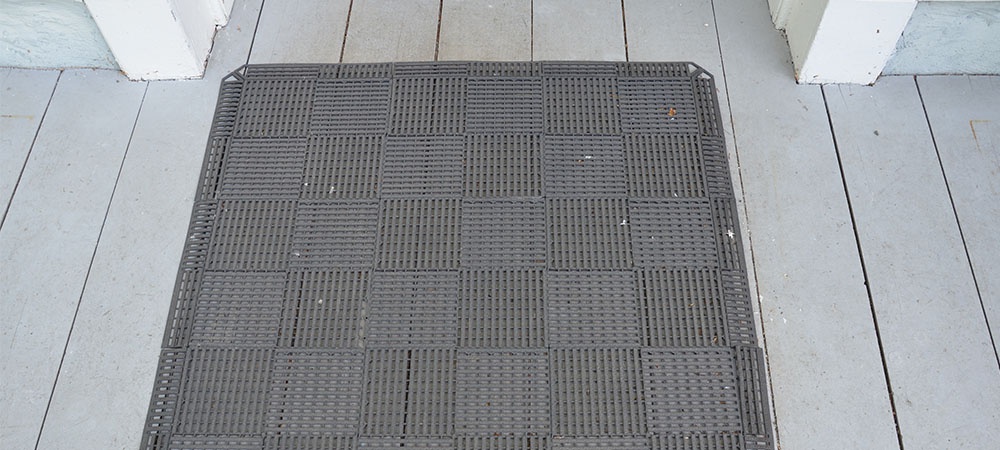
These rubber mats are heavy-duty with raised finger-like surfaces for scrapping moisture, dirt, and debris off shoes. They absorb some moisture, and their surfaces provide additional traction when wet to reduce fall risks.

Grease and oil don’t affect them; they protect against slipping accidents on hard floor surfaces. They have vinyl or rubber backing to resist slipping.

These mats are best bets for use in a premise’s outdoor entry. You should use them if your property has an air gap or vestibule.

scraper mats price in barrie

4. Oil Absorbent Mats

These mats contain oil and grease to prevent slipping or falling. They’re made from cotton piles and rubber bases for trapping and preventing slippery oils and greases from tracking throughout the premises. They have rubber backings and borders for controlling oil and grease.

Oil-absorbent mats are suitable for buildings where oil or grease is available. They are ideal for warehouses or commercial garages that are vulnerable to gas or oil leaks. The mats are suitable for commercial kitchens.

5. Anti-Fatigue 

The mats reduce the stress on your workers’ feet and legs when standing in the same position or location for a long time. They have a layered design and core for controlling compression. The mats compress when someone steps on them, stimulating feet muscles, lower back, and legs.

Additionally, their nature promotes better weight distribution and lessens the impact on legs and feet. This way, they increase worker productivity by minimizing body fatigue and promoting circulation.

The mats are ideal for people working in restaurant kitchens, labs, behind retail counters, and school canteens.

6. Drainage Mats

Drainage mats have slots and holes that let liquids easily pass through them. They pass water down to the floor, keeping the mats dry. This feature is necessary for spaces where employees require additional protection against slipping and falling. They are appropriate for commercial kitchens and food processing plants.

7. Waterhog Mats

These industry-standard mats are excellent for absorbing much water, preventing the water from tracking throughout the premises. They are suitable for people living in snow belts.

8. Chair Mats

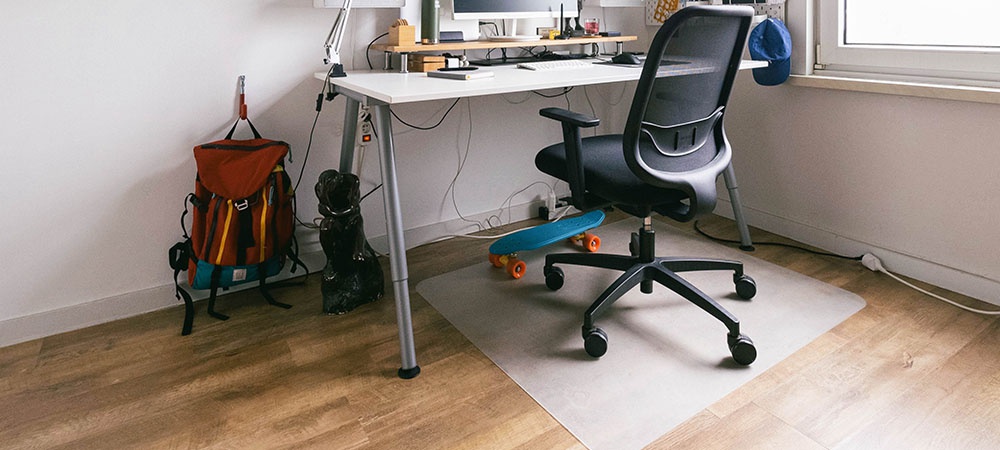
Chair mats are appropriate for workers who use wheeled chairs. They prevent chair wheels from tearing up floors. Additionally, the matting enables your employees to work more efficiently.

chair mats barrie

9. Heated Mats

These mats are suitable for residential and commercial spaces in cold climate areas. They’re plugged into heat-generating outlets. Thus, snow and ice don’t form on the matting, allowing you to wipe your boots off of them even in freezing temperatures. Its other advantage is protecting users by reducing slip-and-fall risk on icy doorsteps.

10. Vinyl Loop Mats

Vinyl loop matting is perfect for locker rooms, spas, and pools because it’s soft and easy to walk on barefooted. Additionally, it’s excellent because it absorbs moisture and dirt, keeping moist floors hygienic and clean.

Factors to Consider When Choosing the Right Floor Matting 

Choosing the right matting for your commercial or domestic use shouldn’t be a big hassle if you have correct information. Here are the top factors to consider when selecting a floor mat.

  • Color

Color is a factor to consider when selecting your mat. You can choose it based on a color that complements or is the same as your existing colors in the house. However, avoid selecting the exact color of your floor.

For instance, entrance mats need different colors from those on the rest of the floor. You want people to see them by distinguishing the mats from the rest of the floor.

floor mats barrie

  • Location

Choose your mats based on your usage location—indoors or outdoors. Some mats are ideal for home use, while others suit commercial users.

  • Traffic

Consider the amount and type of traffic the matting will receive before choosing it.

  • Type of Dirt and Water

The type of dirt and water the mat will collect determines the matting you select.

  • Floor Layout

Don’t forget to look at your floor’s or building’s layout to assess where your mat should go.

  • Material

Matting material significantly informs your choice. Different materials are ideal for protecting your premise from dirt or moisture. Depending on what you want to guard against—dirt or moisture—your matting material makes a huge difference.

bathroom floor mats

Let’s Help You Do Your Floor Today

Businesses and homeowners have many matting options from which they can choose to meet their needs. Our post discussed these various alternatives and their suitability to help you make the right choice.

How would you like us to help you with your flooring needs? Don’t hesitate to speak to Bayfield Flooring for all your flooring needs. Go ahead and contact us today for a free estimate and consultation.

What is the Perfect Flooring Solution for Your Home?

Homeowners have a vast pool of choices when seeking flooring solutions. From carpet to laminate, you can select the best flooring type that suits your needs and preferences. But what is the best flooring solution for your home?

This post answers this question and presents you with the top flooring solutions. You will learn about their appropriateness in your home. Keep reading to make an informed choice based on each material’s flooring pros and cons.

Types of Flooring Materials

Home flooring solutions come in different forms. Here are the top and most widely used options you can select from.

1. Hardwood

Solid hardwood is one of the most popular flooring solutions. It’s simple and elegant, bringing a sense of nature into your home. This flooring option is ideal for spaces that don’t receive much foot traffic. You can install it in bedrooms, living rooms, and halls.

2. Ceramic Tile

Ceramic tile is another popular flooring material. It’s a mixture of shale and clay fired in kiln-like pottery. It’s hard and comes in different patterns, colors, and shapes. It has various types, as explained below.

  • Glazed Ceramic 

The tile has a glass-like coating that gives it any texture or color. It’s also easy to maintain.

  • Porcelain

This tile is highly durable and hard because it’s fired at extremely high temperatures. You can find it in glazed or unglazed forms, although these two types are suitable for outdoor rooms and stain-resistant.

Porcelain is among the best choices for high-traffic areas like mudrooms, laundry, sunrooms, enclosed porches, bathrooms, and kitchens.

  • Quarry Tile

Quarry tile has a rough texture, making it more slip-resistant than its glazed counterpart.

  • Terracotta

This type is less durable and requires frequent sealing to prevent stains.

tile flooring barrie

3. Laminate

You can use laminate for flooring your home. Just like engineered wood, this flooring solution has a thin veneer over plywood or compressed fiber layers. Its top isn’t wooden, although it looks like wood.

Laminate is ideal for high-traffic spaces like foyers, playrooms, and kitchens. It works well in basements if they don’t have leaks or stagnant water. However, don’t use it in wet rooms like laundry and bathrooms.

4. Vinyl

Do you like a resilient, softer flooring solution than wood or tile? Then vinyl is your best bet. This material is made of PVC plastic over layers of felt. Cushioned vinyl has a thin foam layer, making it more comfortable to walk on.

This flooring material is suitable for wet rooms, bathrooms, kitchens, and high-traffic areas like mudrooms. It’s ideal for basements because it tolerates moisture and doesn’t feel cold like tile.

5. Carpet

Are you locked up in a carpet vs laminate vs vinyl comparison and don’t know what to choose for your bedroom? Carpet comes in handy as a favorite choice for bedrooms and other living areas. Why? Because these areas get less dirt tracked, and nothing is likely to be spilled on them. Polypropylene carpets are still suitable for outdoor spaces like enclosed porches.

6. Linoleum 

Linoleum is another ancient and resilient flooring solution. It’s a natural solution made from linseed oil and cork powder. Its popularity has risen due to concerns about vinyl’s chemical content.

This flooring is excellent for family rooms, kitchens, and dens. It works well in bedrooms and basements that don’t have moisture challenges.

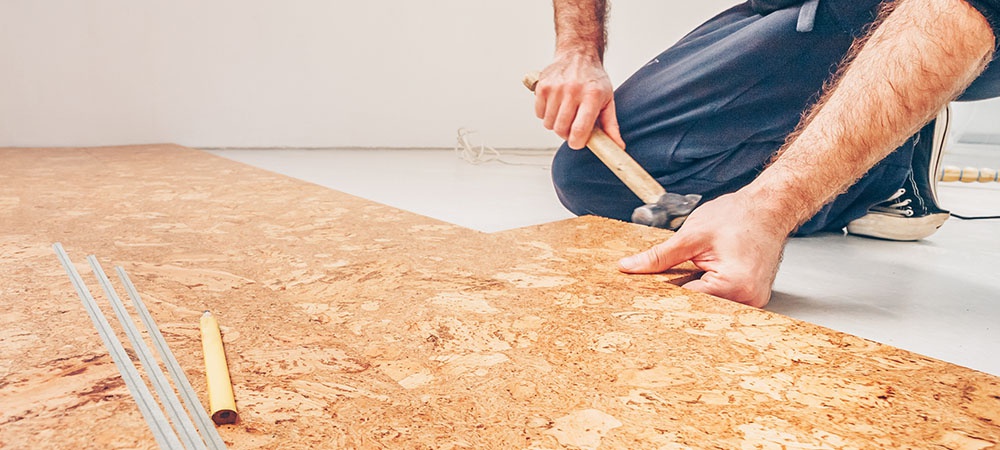
7. Cork

Do you want the best flooring type that brings nature into your home? Then cork is your best bet. Cork comes from a tree bark that can be harvested after every decade without killing the tree, making it sustainable. The bark is boiled, ground, compressed into sheets with resin binders, and baked in a kiln.

Cork is perfect for living rooms, playrooms, kitchens, and bedrooms. However, it’s unsuitable for high-traffic areas like mudrooms and wet spaces like bathrooms.

flooring installation barrie

Factors to Consider When Choosing the Best Flooring Type for Your Home

Here comes the best part of our discussion: choosing the best flooring type. You can choose it based on flooring pros and cons in different flooring materials, plus other considerations. Here are the top factors to consider.

  • Style

Style is a key factor when choosing your flooring material. It boils down to your personal preferences as long as they fit your existing items.

  • Maintenance 

Consider each material’s maintenance level and cost. Some floor types need more work and time to maintain and clean, while others don’t. For example, resilient floor types like vinyl and laminate require minimal maintenance. You only need to give them a quick mop to keep them looking fresh and new.

  • Budget 

Your budget is another significant factor to consider before selecting a particular flooring solution for your home. You should know and stick to your budget to avoid unnecessary financial challenges. Thankfully, the market has different excellent flooring materials that fit any homeowner’s budget. Stick to yours.

  • DIY vs. Professional Installation

Do you want to install your flooring solution or hire a professional to do it for you? How you wish to fix it determines your material choice. Why? Because some flooring materials need professional installation while others don’t. For example, laminate and engineered hardwood are the easiest floor types amateurs can install.

If you choose the DIY path, ensure you stick to the above two types and have enough time and appropriate tools. Otherwise, you could suffer many headaches.

  • Practicality 

Lastly, consider practicality before opting for any flooring material. Consider the amount of use your flooring will receive and the type of activities in a given room. How frequently or occasionally you use a room should inform the flooring material you will use.

For example, kitchen activities expose it to stains and spills. Thus, you need a hardy and easy-to-clean material in such spaces. Flooring solutions for high-moisture locations like bathrooms must be strong enough to handle high moisture levels.

vinyl flooring solution barrie

Let’s Help You Do Your Flooring Today

Choosing the best flooring type can be challenging. However, following the insights we shared in this post can help you make the best choice for your home. We hope this information helps you make an informed choice.

Do you need help with your flooring needs? Don’t hesitate to contact us today for a free quote and consultation.
Which Is More Expensive Engineered or Solid Hardwood Flooring?

Solid and engineered hardwood are popular flooring options among Toronto homeowners. They offer homeowners a perfect choice that meets their varying flooring needs, likes, and preferences. These two alternatives are essentially the same except for how they are made. Therefore, it’s difficult for the untrained eye to differentiate them after installation because they look identical.

While these two hardwood alternatives are essentially the same, they differ in many outstanding ways. These differences also affect their pricing, making solid hardwood the more expensive choice. Do you want to learn why and how they differ in price? Keep reading to learn more and make an informed choice.

What is Engineered Hardwood Flooring?

Let’s start by defining engineered hardwood flooring before examining its pricing differences with solid hardwood. As the name suggests, engineered hardwood flooring is a type of hardwood flooring that is industrially engineered.

This flooring isn’t fake hardwood but an actual hardwood surface plank with industrially assembled components or base layers. These internal layers are made from various materials like plywood, hevea, and eucalyptus that are fixed to wear the coating at a 90-degree angle.

Its outer layer comes from different hardwood species like walnut and oak, measuring between 2.5mm and 6mm in thickness. This outer layer makes the hardwood floor stronger and more stable. Its plank width, thickness, and length vary depending on your flooring requirements.

Engineered hardwood flooring’s finishes also differ. You can have them in oiled, lacquered, brushed, and unfinished forms. Choosing an unfinished building requires protection with lacquer or oil after its installation.

Advantages of Engineered Hardwood Flooring

Engineered hardwood flooring has unique advantages that make it suitable for various applications. Here are the leading ones.

  • It is cheaper than solid hardwood flooring.
  • After installing it, it’s nearly impossible for the untrained eye to differentiate it from solid hardwood because it has a real hardwood layer on top.
  • It has more versatile applications because it’s more resilient to temperature and humidity changes than solid wood flooring.
  • It’s stable, making it suitable for installation on underlays, underfloor heating, and in conservatories.
  • If necessary, you can fix it on the subfloor.
  • It is quick and easy to install.
  • It gives you a wide pool of choices regarding wood species, styles, colors, finishes, and plank sizes.
  • You may sand the top layer of natural wood and refinish engineered hardwood flooring.

Engineered Hardwood Flooring

What is Solid Hardwood?

As the name suggests, solid hardwood flooring is a solid piece of natural hardwood. It’s cut from a tree trunk and made into a flooring plank by machine. This wooden flooring is available in different wood species, plank sizes, and finish choices.

You may also go for unfinished solid hardwood flooring that allows you to install the floor and then match it with your preferred color stain and style. A solid hardwood floor is luxurious, making it more popular in homes.

This hardwood flooring choice should be fitted into position during installation because it doesn’t float over overlays. Otherwise, it will lack the stability it needs by being fixed to subfloors.

Advantages of Solid Hardwood Flooring

Solid hardwood flooring has numerous advantages, making it a sought-after choice by homeowners who like wooden flooring. Below are some of its benefits.

  • It has a traditional and luxurious look.
  • Its planks are cut from single solid hardwood pieces.
  • You can sand and refinish it several times whenever necessary.
  • It lasts more than twice its engineered alternative.
  • It comes in different wood species, ranging from light to dark, with various patterns and grains.
  • Its planks are available in random lengths and various widths to let you select flooring that suits your environment.
  • Its tongue and groove fitting system is the most traditional and established installation method.
  • You may choose between unfinished or prefinished planks.

Cost Differences Between Solid and Engineered Hardwood Flooring

We have examined these hardwood flooring options’ core advantages and disadvantages. But what are their pricing differences? Here are the various pricing differences between the two.

First, it’s worth noting that we can categorize the final pricing between solid and engineered hardwood into three tiers. These categories are: low-range which costs between $30 and $42; mid-range, which sells between $42 and $54; and high-range which costs between $54 and $108.

  • Low-range: This tier comprises 3-ply engineered flooring is a cost-effective alternative for those who can’t afford solid hardwood flooring.
  • Mid-range: This range comprises the 5-ply engineered hardwoods and the more usual solid hardwood floor species like oak and elm.
  • High-range: This tier comprises higher-end hardwood floors such as 9-ply engineered floors and the more exotic species of solid hardwoods like black walnut.

Pricing Averages

Below are the selling averages of solid and engineered hardwood flooring.

  • Solid Hardwood 

Pre-finished solid hardwood flooring averages about $10 per square foot, with a range of $8 to $15 per square foot, including installation.

  • Engineered Hardwood 

Engineered hardwood flooring is slightly cheaper than solid hardwood. Typically, its pricing ranges between $2.50 and $10 per square foot. Most engineered hardwood types cost between $4 and $7 per square foot.

Overall, solid hardwood flooring is more expensive than engineered alternatives. However, some thicker engineered hardwood products can be expensive, especially those with a higher refinishing and sanding scope. Additionally, solid and engineered hardwood flooring products have an installation cost range of $3 to $10 per square foot. This labor cost depends on prevailing labor costs in your locality and a room’s design complexity.

cost of solid wood

Factors to Consider When Choosing Between Solid and Engineered Hardwood Flooring

Now you have the pricing differences at your fingertips. But pricing alone is not enough to choose one flooring option over the other. You must still consider other factors to get the best value for your money. Below are the top four factors to consider when choosing between solid and engineered hardwood flooring.

  • Installation Space

You have to factor in your floor’s location before settling for either solid or engineered hardwood flooring. Solid hardwood flooring is suitable for high-traffic locations because you can easily sand it down and refinish it several times.

You should consider it if you want to floor living spaces or entrance hallways. It’s also a perfect choice for dining rooms and bedrooms. However, it’s not the best bet for installing in high-temperature and moisture areas like basements and kitchens.

Inversely, you can install engineered hardwood floors in any room. This option is ideal for areas with high humidity and temperature levels. For instance, you can use it in the kitchen, rooms with much glazing, and conservatories. This hardwood flooring option is also perfect for withstanding mild environment changes like air, temperature, and moisture. 

  • Underfloor Heating

You should also consider floor underheating before choosing one flooring option over another. If you intend to use underfloor heating, you should consider installing engineered hardwood. This option is ideal because it safely transfers heat to your floor’s surface.

This hardwood flooring can cope with constant temperature changes and react well. It expands and contracts and is dimensionally stable enough; thus, heat doesn’t damage it from beneath.  

  • Your Budget

Your budget is another factor to consider when choosing between these two hardwood alternatives. Opting for engineered hardwood flooring is best for you if you have a lean budget. It’s cheaper than solid hardwood because of the amount of solid wood used in each flooring plank.

Solid hardwood can also be expensive because it comes from rare species. For instance, solid hardwoods from rare African and South American species are very costly.

However, don’t assume that every type of engineered hardwood is automatically cheaper. You have to pay attention to each product’s pricing since some forms of engineered flooring can be expensive if their:

  • Plank sizes are very wide
  • Top layers come from exotic hardwood species

Therefore, it’s prudent to counter check these facts before choosing engineered hardwood.

  • Durability

Lastly, durability is another key factor to consider when choosing between these two hardwood products. Solid hardwood flooring has a longer lifespan than its engineered alternative because it’s solid and pure throughout. Therefore, it lasts longer with minimal maintenance.

You can also refinish and sand solid hardwood more times than engineered hardwood. These hardwoods have varying durability levels. Hickory and oak are the best for resisting dents, making them ideal for high-traffic rooms in homes with children and pets.

solid and engineered hardwood flooring

Talk to Us About Your Flooring Needs Today

Solid and engineered hardwood flooring are popular products for many homeowners who love wooden floors. They have unique advantages and shortcomings that make them ideal for use in different locations. So, you only need to define your needs before choosing the appropriate product for your flooring needs.

Their pricing also varies based on various factors such as durability and species rarity. Overall, solid hardwood is the more expensive and durable choice.

Which hardwood flooring would you like to install in your home? You can always contact us for all your flooring needs in and around Toronto. Our lines are open; call us today for a free consultation and estimate.

What Is the Difference Between Solid and Engineered Hardwood Flooring?

Solid and engineered hardwood floorings are the favorite wooden options many homeowners love. They offer homeowners alternatives that meet their varying needs, likes, and preferences. They have beautiful similarities, including appearance. No wonder it’s almost impossible to distinguish the two floorings after their installation. 

Despite appearing similar, these two flooring options differ in many ways. This post examines the nine top differences between them. Keep reading to understand and make an informed choice. 

What is Solid Hardwood Flooring? 

Solid hardwood flooring is a wooden floor made from solid wood planks. These planks are cut directly from tree trunks and converted into flooring planks. This wood is usually 3/4-inch thick and can vary in width from 2 1/2 to 5 inches. Anything beyond this width requires using engineered hardwood.

Most solid hardwood flooring usually comes to installation sites already finished and ready. Site-finished flooring gives you more options like a sheen, stain, and several coats. However, some products come unfinished, making installation easier and less messy.

This flooring option isn’t ideal for floating floors. Also, it isn’t suitable for use in areas prone to high temperatures and water. Therefore, you won’t find this flooring in basements, but you’ll often see them in bedrooms and living rooms. 

What is Engineered Hardwood Flooring?

Engineered hardwood flooring is real industrially made hardwood. It has a real hardwood plank covering layers of other wooden materials like plywood. The plywood is glued and laminated in a vertical pattern. 

This gluing makes the wood more stable and stronger enough to handle humidity, temperature, and moisture better. Therefore, it’s ideal for use in moisture-prone locations like basements. 

Its average thickness varies between 3/8-inch and 1/2-inch. The standard width ranges between 3 1/4-and 5 inches and more. Most of these hardwoods come site-ready, making their installation easier and quicker. Engineered hardwood has more options than solid hardwood because you can easily staple, glue, float, and nail down engineered hardwood of any width. 

9 Main Differences Between Solid and Engineered Hardwood 

Solid and engineered hardwood flooring differ in many ways. This section examines the top nine differences between these hardwood options.

1. Care and Maintenance 

These two flooring alternatives differ in terms of care and maintenance. 

  • Solid Hardwood 

Solid hardwood flooring is easier to maintain and clean. Most solid hardwood floors only require frequent sweeping, vacuuming, and occasional mopping with special cleaners to remove stains. Don’t clean them with steam or water. It is also ideal for long-term maintenance since you can conveniently refinish and sand it down many times during its lifespan. 

  • Engineered Hardwood 

Unlike solid hardwood flooring, many of these floors lack sufficient thickness for long-term sanding and refinishing. Mostly, you can only sand and refinish them once or twice during their lifetime. 

Which is the Better Option?

The two flooring alternatives are relatively easy to maintain. They only require simple sweeping and cleaning using recommended cleaners. So, they tie on this front.

care and maintenance

2. Cost

Cost is another area where these hardwood floors differ.

  • Solid Hardwood 

Solid hardwood flooring is more expensive than its engineered counterpart. An average prefinished hardwood flooring can cost $8 per square foot. 

  • Engineered Hardwood 

An engineered hardwood flooring is the cheaper option. Averagely, this flooring costs between
$2.50 and $10 per square foot.

Which is the Better Option?  

Overall, engineered hardwood floors are the better option for homeowners with a tight budget. Their labor installation cost is almost the same, ranging between $3 and $10 per square foot. However, the actual cost varies based on your locality’s prevailing labor costs and your rooms’ complexity. 

3. Durability 

These two flooring options also differ based on durability. Here are their differences. 

  • Solid Hardwood 

Solid hardwood flooring significantly outlasts its engineered counterpart. It can last between 30 and 100 years.

  • Engineered Hardwood 

Engineered hardwoods don’t last that long. With proper maintenance, they can last between 20 and 40 years. 

Which is the Better Option? 

Choosing solid hardwood for durability is smarter if you value generational continuity. This hardwood alternative can withstand many times of sanding and refinishing during its lifetime. Conversely, engineered products don’t score well here. They last a shorter time, especially if you sand and refinish them over two times. 

4. Ease of Installation

Ease of installation is another way these two flooring products differ. Let’s look at their installation differences. 

  • Solid Hardwood 

Most hardwood floors can be nailed to subfloors, usually plywood. You can also join them using tongue-and-groove planks. The nails don’t show after completing the floor.

  • Engineered Hardwood 

You can nail a few engineered hardwood floors to sub-floors using the click-and-lock system. After installation, the system floats over subfloors.

Which is the Better Option? 

Engineered hardwood floors outperform their natural solid counterparts on this front. Most DIYers find this floor’s installation easier to work with than solid hardwood flooring. 

5. Resale Value

These two hardwood floors also differ in their resale value. Here is how they differ on this front.  

  • Solid Hardwood 

When considering long-term resale value, you have no doubt that solid hardwood stands out head and shoulder taller than engineered hardwood. Why? Because it lasts longer than its industrial counterpart. Averagely, flooring your house with solid hardwood boosts your home’s sale price by much as 2.5%.

  • Engineered Hardwood 

Engineered hardwood flooring is still as attractive to prospective home buyers as its solid counterpart. However, its value addition to a home isn’t as high as that of solid hardwood. 

Which is the Better Option?

While adding engineered hardwood flooring to your home increases its resale value, solid hardwood flooring fetches you more value. 

resale value

6. Dimensions 

The two hardwood flooring alternatives differ in their sizes. Below are their size differences. 

  • Solid Hardwood 

The average solid hardwood flooring plank is 3/4 inch thick, 2 1/4 inches wide, and varies in length between 12 and 84 inches. Solid wood has other thicknesses and widths. However, its width never exceeds 5 inches.

  • Engineered Hardwood 

An average engineered wood flooring plank is usually thinner than its solid hardwood counterpart. It typically measures 3/8 to 9/16 inches thick. However, it’s wider than solid hardwood, reaching up to seven inches, and can measure between 12 and 60 inches long.

Which is the Better Option?

These flooring products tie on this front since no winner exists. Choosing one over the other purely depends on your need or preference for narrower or wider boards. Those preferring narrower boards settle for solid hardwood, while wider board lovers prefer engineered boards. 

7. Styles and Species

These wooden flooring products also differ in their styles and species. Let’s look at how they do. 

  • Solid Hardwood 

Solid hardwood is available in various species, such as oak, maple, and hickory. These species are the hardest and most resistant to wear and tear. Solid hardwood has varying widths of up to 5 inches and comes in many colors and textures. It’s up to you to discover many ways this product can fit your styling needs and preferences.

  • Engineered Hardwood 

Engineered hardwood has many of the design options solid hardwood has. Additionally, engineered hardwood flooring has unique design features like specialty textures, special surface treatments, color effects, and extra-wide planks.

Which is the Better Option?

The two flooring products tie on this front since your personal design and styling preferences inform your decision. 

8. Construction 

Construction is another way these two flooring products differ. Here is how they do it.

  • Solid Hardwood

Traditionally, many homeowners consider solid hardwood flooring the “gold standard.” Solid hardwood planks come from 100% wood, making them more durable, timeless, and authentic. 

  • Engineered Hardwood

Inversely, engineered hardwood comprises layers with 100% natural wood on top. It also has hardwood at its bottom and a stable core in between. Its core includes 5 to 7 plywood layers compressed together in a criss-crossed pattern. This composition makes it less vulnerable to expansion, shifting, and contracting when exposed to changing humidity, moisture, and temperature changes. 

Which is the Better Option?

The two products tie in this area since their construction suits varying uses.

9. Installation Location

Lastly, solid and engineered hardwood products differ based on their installation location.

  • Solid Hardwood

Solid hardwood flooring is best for use in above-ground and high-traffic spaces. You can use them in bedrooms, living and dining areas, and kitchens. However, their vulnerability to high humidity and temperature levels makes them unsuitable for use in bathrooms and laundry rooms.

  • Engineered Hardwood

Engineered hardwood flooring is suitable for any room in the house. You can use it in high-humidity and temperature spaces like basements.

Which is the Better Option?

We have no loser or winner here because their suitability depends on where you want to use them. 

easy to installation

Let’s Help You Floor Your House Today

There you go with all you need to know about how solid and engineered hardwood floorings differ. Which product do you want to install in your home this year? Don’t hesitate to talk to us about all your flooring needs. Call us today for a free estimate and consultation to kick-start your flooring project.

How Much Does It Cost to Tile a Floor?

Tiles are among many Canadian homeowners’ most preferred flooring materials. They are durable, stain-resistant, waterproof, and easy to maintain. Tiles are also affordable for those who want to add beauty and long-term value to their homes.

But all these benefits come at a cost many factors determine. An average Canadian homeowner spends between $1,500 and $2,400 to tile a 120-square foot space, including tiles. This rate brings the tiling cost to $13 and $20 per square foot.

So, what determines the actual cost of tiling a floor? How can you save on the overall tiling cost if you have a tight budget? We answer all these questions in this post’s remaining paragraphs. Keep reading to learn and benefit more.

Factors Determining Floor Tiling Cost

The actual cost of tiling a floor depends on numerous factors that vary among homeowners. These drivers determine how much you spend buying the tiles and installation charges. This section examines these driving factors more profoundly.

1. Labor

Labor is a key factor determining the actual cost of tiling a floor in your house. If you hire a professional home contractor, prepare to spend between $3 and $15 per square foot on labor. This figure comes to between $60 and $120 if the contractor charges per hour.

Depending on your preparation, labor costs might cover other areas besides installation. For instance, you might pay more if the contractor removes old tiles. The installer will also charge you more if they do most of the preparations in the installation area. Lastly, labor charges may also increase if the installation location requires repairs before fixing the tiles.

2. Installation Difficulty 

The ease or difficulty of installing tiles also determines the overall price. For example, you will pay more if the installation site has a complex outlay because the contractor’s team will spend more time there.

Additionally, some tiles are more challenging to install than others. Typical examples are mosaic and custom tiles that take more time and energy to install than other types.

3. Area Preparation

The amount of your installation site’s preparation time and work adds to your overall cost. Installing tiles on a smooth and even floor requires less time and minimal preparations than on old, uneven floors.

Removing or replacing floors before installing tiles is another factor that increases your overall project cost. Therefore, ask your contractor to clarify if their estimate includes the price of removing old and installing new tiles.

4. Tile Type

The type of tiles you use also determines the overall price you pay for their installation. Before undertaking your tiling project, you should consider the tiles’ installation location, strength, and quality.

5. Tile Material 

The type of tiling materials you use also affects your project’s overall cost. The reason is that different materials cost more per square foot than others. Here are sample price variations for three popular tile materials.

  • Natural stone

Natural stone tiles cost between $5 and $35 per square foot. These tiles are durable and cut to fit your installation space. They also provide a unique natural look.

  • Ceramic

Ceramic is another popular tiling material you can use. It costs between $0.50 and $7 per square foot for indoor tiling. This material is more cost-effective, although not as durable as porcelain. You will also spend more time on this material if you install it on a cement floor than on a wooden one.

Moreover, ceramic resists denting, staining, and scratching. It maintains its color even when you expose it to direct sunlight.

  • Porcelain

Porcelain is another common tile material you can use to floor your house. It costs between $3 and $10 per square foot for indoor tiling. Using it for outdoor tiling will cost you $35 per square foot.

Also, the porcelain’s thickness determines the amount of money you will pay for it. Thick porcelain tiles are cheaper than thinner ones because the latter undergo a different process.

6. Installation Site

Your installation site also determines your project’s overall price. For example, installing tiles in a high-moisture location with direct water contact requires you to buy non-porous tiles. That means that the more water and moisture-resistant the tiles, the more expensive they will cost you.

7. Your Home’s Location

Your home’s geographical location also determines how much cash you will spend on your tiling project. Densely populated urban suburbs typically have high living costs that directly affect labor charges. Also, locations near coastal regions have higher humidity levels that make it more difficult to install tiles, raising the prices higher.

8. Subfloor Repairs

Lastly, you will pay more money for your tile flooring project if your house requires subfloor repairs. If you have a concrete subfloor that needs resurfacing, you will pay between $3 and $10 per square foot. If the same floor needs repairs, you will spend an extra $40 to $65 per square foot to fix it.

Your chosen contractor will spend more time and materials to level and smooth the area before installation. They will have to fill holes and cracks before the floor dries and gets ready for installation. All these factors combined raise your project’s overall cost.

cost to install a tile floor

Tips to Save on Tiling Costs

While many factors influence the overall cost of installing tile floors, numerous tactics are also available to lower them. This section shares practical insights to help you reduce the prices to fit your budget.

  • Use Bigger Tiles

You can save cash on your tiling flooring projects using bigger tiles. The reason is that bigger tiles are easier to install than smaller ones. They take less time to fix, thus lowering the amount of time your contractor needs to work.

  • Install Tiles in Selected Areas

You don’t need to install tiles everywhere if you have a tight budget. Instead, you may choose specific floor areas you feel need tiling or limit them to specific rooms in your house.

  • Shop Around

Shopping around for materials is another way of saving on your project’s overall costs. You will be shocked at how much you can save by taking a few extra hours shopping before deciding to buy tiles.

  • Use Simple Designs

Using simple flooring designs is another secret to saving money if you have a tight budget. Complex designs will cost you more money than standard installation because they require additional expertise and time.

  • Surplus

You can save money on your tiling projects by buying at least a 10% to 15% surplus of tiles. This overage ensures that you have sufficient tiles to replace damaged tiles during installation. Additionally, the extra tiles can be replaced if breaking or cracking occurs in the future.

Don’t forget that your chosen tiles may run out of production in the next decade. But if they don’t, most likely, their colors won’t match perfectly. Thus, keeping a surplus is a wise idea.

  • Demolish Old Floors Yourself

Don’t fear ripping off old floor tiles if you have the skills, time, and energy to do it. Removing and disposing of this junk will save you some of the labor costs.

  • Get Multiple Quotes

Lastly, get several quotations before choosing a home renovator to tile your floor. This move gives you a good estimate of what to expect to avoid losing money on an unnecessarily expensive contractor.

Critical Questions to Ask a Floor Tiling Contractor Before Hiring Them

Have you found a prospective contractor you feel is the best bet for your next floor tiling project? Don’t engage the installer before grilling them. Asking the right questions is beneficial since it helps you uncover many things that could save you future problems. Here are some of the top questions to shoot at a prospective contractor.

  • Do you have happy clients you serve that can recommend your services?

If they can show you the happy homeowners they have served, you can rest assured you will get a good deal.

  • How long have you been tiling floors?

This question helps you understand how much experience the contractor has.

  • Is your company bonded and insured?

Getting an honest answer to this question helps you relax, knowing that the professional’s insurer will bear any liabilities.

  • What does your estimate include?

Get all the facts to avoid bumping into surprise last-minute charges you didn’t plan for.

  • What kind of warranty does your company offer?

Understanding this fact lets you rest assured of a secure fallback if problems arise after the installation process.

  • How much time do you need to complete my project?

Understanding project timelines enables you to estimate how much you’ll spend because the contractor will charge you for their time.

  • Do you base your labor charges on time or square footage?

Understanding this enables you to do your budget and better understand your project’s overall cost.

floor tiling contractor

Let’s Help You Tile Your Floor Today

You are abreast with all the facts you need to know about the cost of tiling a floor. Our doors are open to help you tile your home most cost-effectively. Don’t hesitate to call Bayfield Flooring today for a free quote and consultation.