Understanding the Different Types of Flooring Available in Barrie

Floors are the largest surfaces in homes. Selecting the most appropriate flooring material depends on your personal taste, installation location, lifestyle, and budget. Every flooring type available in Barrie has unique benefits, cost implications, and cons.

Our post explores the six leading flooring materials you can install in your home. These include carpet, vinyl, hardwood, tile, laminate, and natural stone tile. We shall cover each option’s overall flooring costs, pros and cons, and also tips for choosing suitable flooring materials.

1. Natural Wood

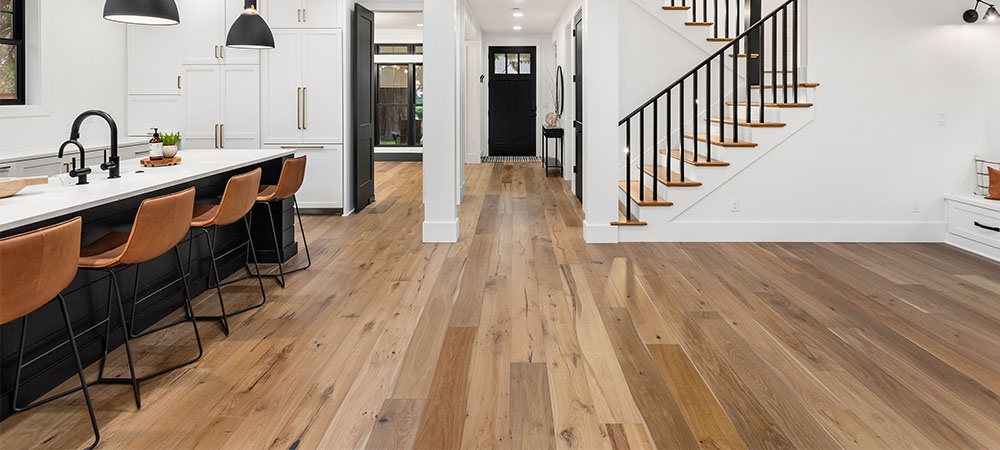
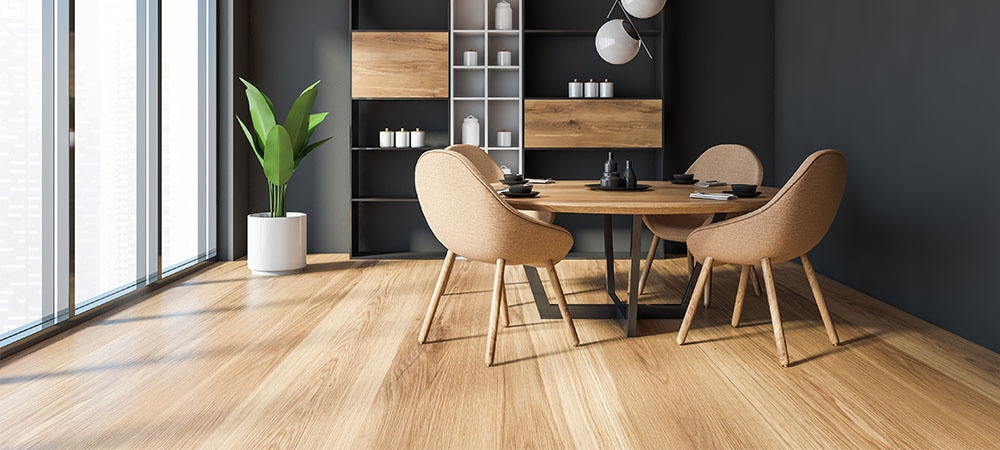
Natural wood is one of the favourite flooring choices Barrie residents have. It requires gluing and nailing to a subfloor by professional installers. A subfloor is a rough concrete or plywood surface below your finished wooden floor.

A solid wood floor isn’t ideal in locations exposed to water, humidity, and moisture, such as kitchens, bathrooms, and basements. Rooms exposed to high child or dog activities expose them to scratching.

Advantages:

  • The best visual appeal.
  • Various materials, colors, and styles.
  • Great value for your money.
  • You can resurface it every 3-5 years.
  • Ideal for shared living spaces.

Disadvantages:

  • Costlier than other top flooring materials.
  • May develop scrapes, scratches, and dents over time.
  • A bit vulnerable to moisture damage.

For labour and materials, the average cost of installing a solid wood floor ranges between $6 and $12 per square foot. However, the price rises depending on your chosen wood and design. It costs about $3 to $8 per square foot to refinish a wooden floor.

2. Laminate

Laminate is another popular floating flooring option because it doesn’t need a subfloor. However, it requires soft underlayment like foam. It can be glued or clicked, depending on your chosen laminate type. It’s scratch-resistant; you can install it in high-traffic areas like hallways and homes with children and pets.

Advantages:

  • It’s cheaper than hardwood.
  • It’s easy to install.
  • Laminate is durable.
  • Comes in various colors and styles.
  • It’s excellent for high-traffic rooms.

Disadvantages:

  • It’s vulnerable to moisture damage.
  • Laminate is difficult to repair.
  • Not suitable for kitchens or bathrooms.

Averagely, installing laminate costs between $3 and $7 per square foot.
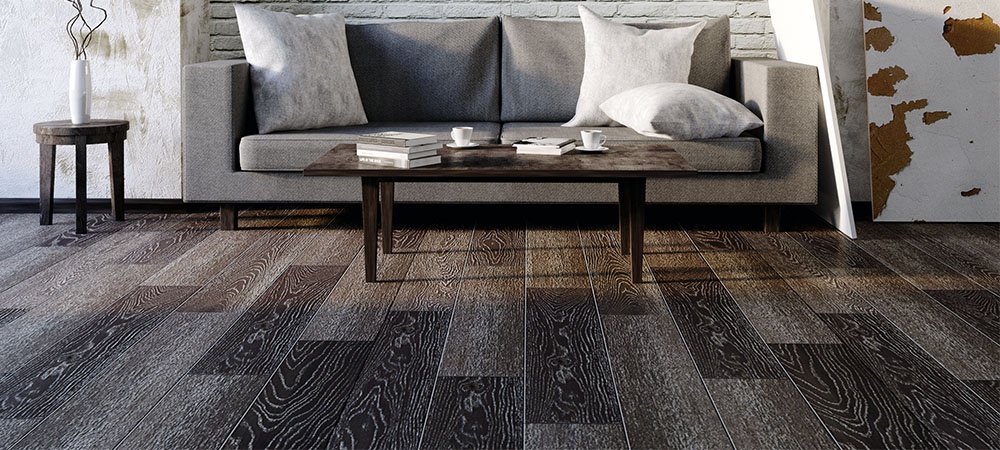
flooring cost

3. Vinyl

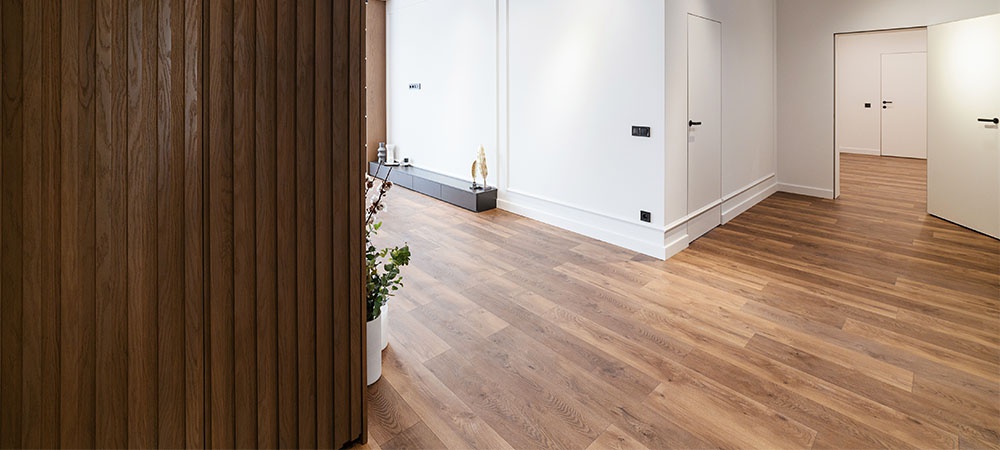
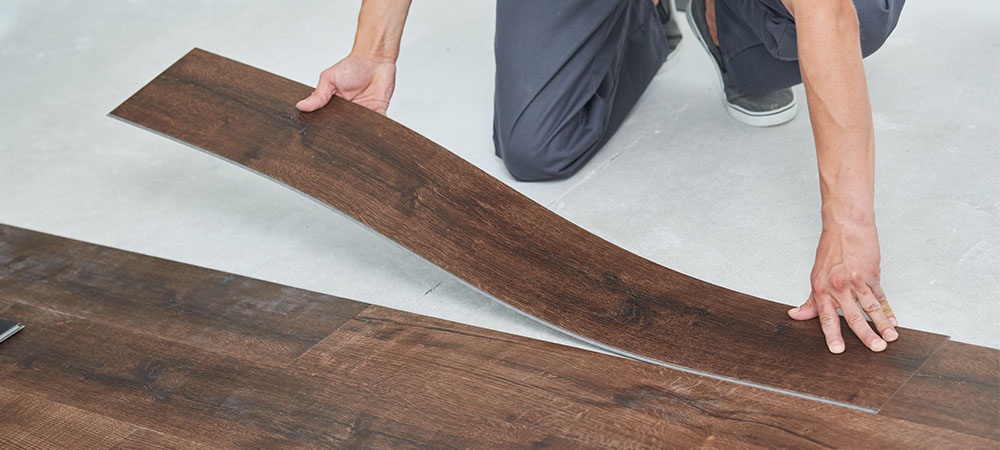
Vinyl flooring is an excellent alternative for homeowners who have tighter budgets or just don’t like natural wood. Modern vinyl is durable and effectively mimics wood, ceramic, and stone flooring. It’s suitable for installation in bedrooms and living rooms.

Advantages:

  • It’s cost-effective.
  • Comes in various forms and styles.
  • Suitable for high-traffic locations.
  • It’s easy to maintain.
  • It’s ideal for DIY installation.
  • It takes 1-2 days to complete

Disadvantages:

  • It offers lower ROI than wood and laminate.
  • It’s less popular because of its appearance.

Depending on its type, you will spend an average of $1.50 (sheet vinyl) to $6 or more (LVP and LVT) per square foot.

4. Tile

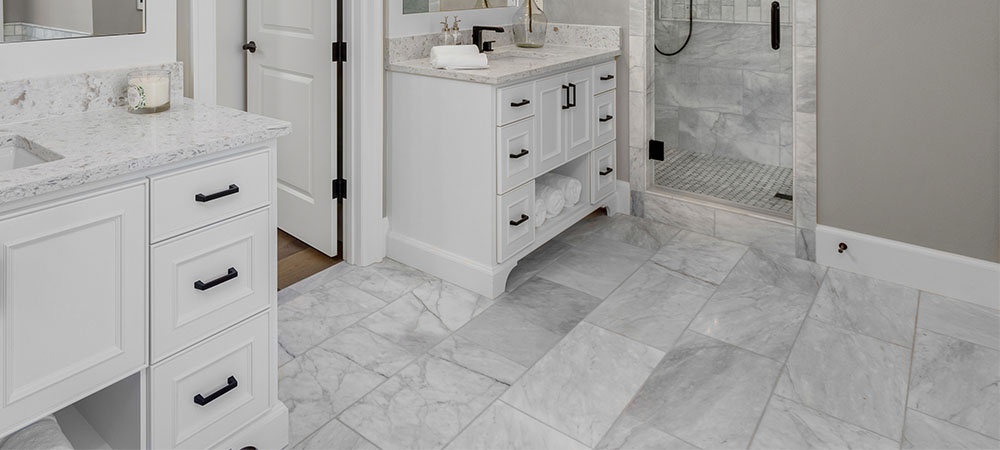
Tile is another popular flooring type in Barrie. It comes in different forms, like ceramic, porcelain, and stone. You can use unglazed tiles in your bathroom to avoid slipping accidents. However, ensure it has a higher Coefficient of Friction (CoF) rating before installing it.

Don’t use porcelain tile floors in high-traffic areas because it’s vulnerable to chipping. You may use ceramic and porcelain tile flooring in high-traffic sites.

Advantages:

  • It has various looks and designs.
  • It’s durable.
  • It’s non-porous or water-resistant.
  • Ideal for kitchens, bathrooms, and entryways.

Disadvantages:

  • It’s expensive.
  • Hard to install.
  • May chip and scratch under heavy use.

The average installation cost is $2.50 per square foot for ceramic and $3 to $10 for porcelain.
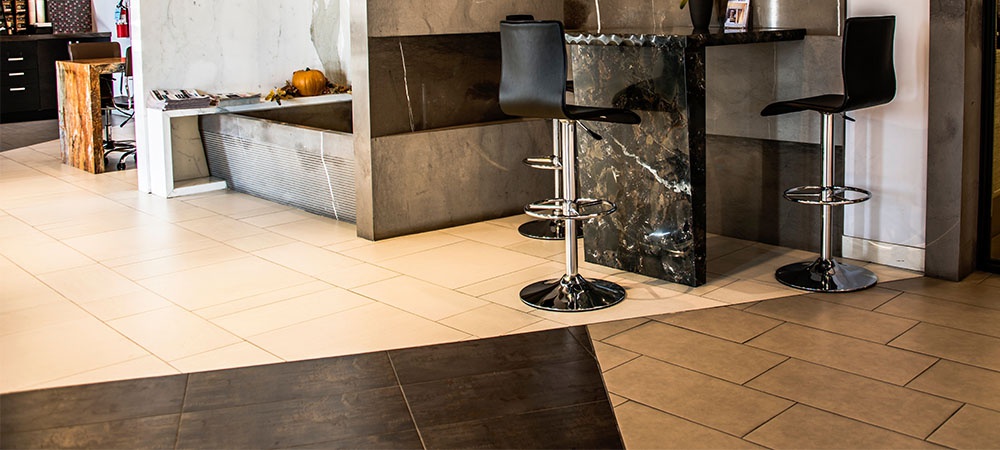
porcelain tile flooring in barrie

5. Natural Stone Tile

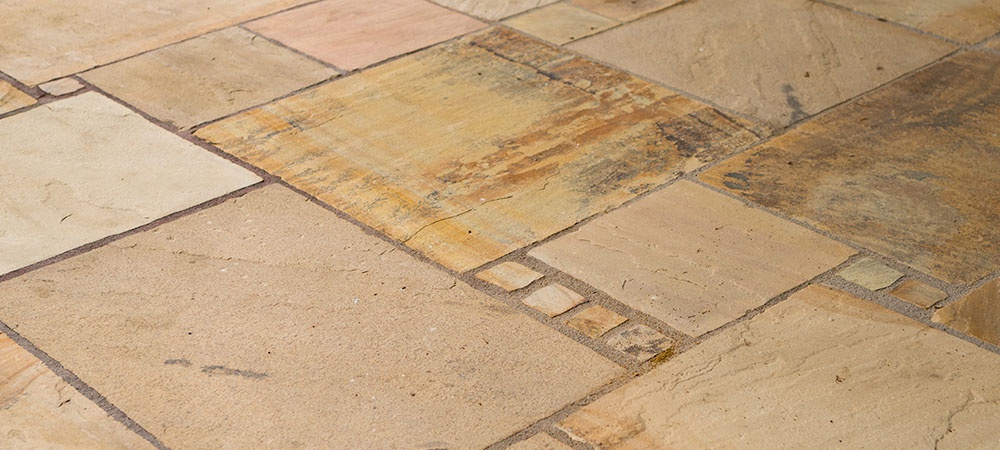
Natural stone tile is one of the best options for homeowners seeking a classic look. It includes granite, marble, travertine, and sandstone. Some stone materials, like travertine, last longer than others. Moreover, different flooring stones have varying purposes, applications, and properties. Its hard and durable nature makes it suitable for installation in high-traffic areas like hallways and entryways.

Advantages:

  • It’s durable.
  • Stone is insulated for greater warmth.
  • You can find it in many styles, colors, and shapes.
  • It’s excellent for radiant heating.
  • Stone is eco-friendly.
  • You can use it in homes with kids and pets like dogs.

Disadvantages:

  • It’s one of the most expensive alternatives.
  • It chips and scratches easily.
  • Some stone tile types are porous.
  • Repairing stone tile is expensive.

Due to its installation difficulty and weight, hiring a professional is the best option. An installation contractor charges an average of $5 to $10 per square foot. An average homeowner spends between $800 and $3,000 on materials and labour.

6. Carpet

Carpets are some of the most common floor options among homes and commercial users. Carpeting offers excellent warmth for feet. You may use it in offices, as stair runners, as area rugs, and even to make your patio more comfortable.

Advantages:

  • It’s highly cost-effective.
  • Carpet is soft and warm on the feet.
  • It comes in many colors and designs.
  • It’s excellent for soundproofing.
  • Stain-resistant varieties are available.

Disadvantages:

  • It might be a bit difficult to maintain, requiring annual professional cleaning.
  • It can absorb odours.
  • Not suitable for homes with persons suffering respiratory complications.
  • It’s not ideal for homes with pets.
  • It’s unsuitable for use in moisture-prone locations like kitchens and bathrooms.

Depending on its material and padding thickness, the average installation costs range from $2.50 to $10 per square foot.

Tips for Choosing the Right Floor Type in Barrie

Here are quick tips to help you select the most suitable flooring materials.

  • Choose your material based on its installation location. Some materials like carpet and hardwood aren’t suitable for all spaces.
  • Select a flooring type based on your family’s needs. A home with young kids and pets needs spill-proof and scratch-resistant floors.
  • Every flooring material has varying prices. So, choose your flooring based on your budgetary limits.
  • Some flooring alternatives require padding, increasing overall installation costs.
  • Select your flooring materials based on the aesthetic appeal you wish to create. Some floors are more stylish than others.
  • Choose a flooring material with its long-term benefits in mind. Costlier materials offer better long-term investment.
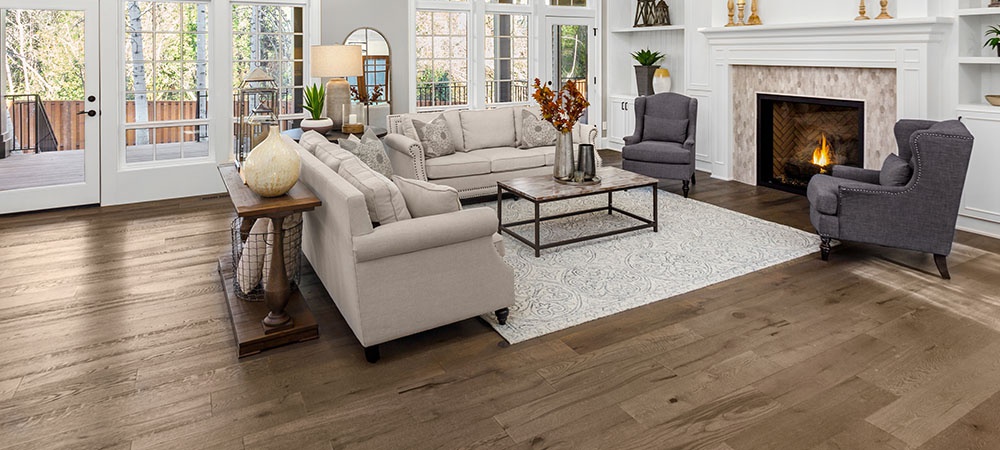
floor type in barrie

Let’s Floor Your Home Today

There you go with the top six flooring types in Barrie. How would you like us to help you with your flooring needs? Don’t hesitate to contact us today for a free quote and consultation.
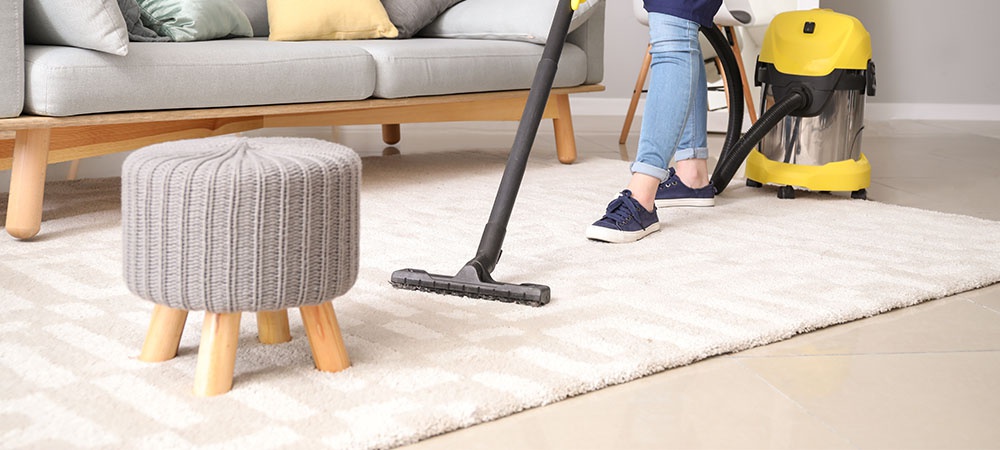
How to Choose the Right Carpet for You?

What compares to or feels better than the luxurious, soft feeling of a dream carpet under your feet? Nothing! Choosing rugs for your flooring needs offers everyone a safe and comfortable spot. Kids can play on them with a reduced risk of fall-related injuries. Besides, their warmth and superior comfort significantly outweigh their purchasing and maintenance costs.

Excellent carpeting also has various designs, materials, types, and colors. This rich diversity somehow complicates matters when choosing an ideal carpet. Some carpets are more expensive, while others require frequent cleaning and are unsuitable for people with respiratory challenges.

So, how do you get the best value for your money while protecting and pleasing everyone in your home? Here are nine tips to help you make a worthwhile decision.

1. Carpet Types

Carpeting has various types designed to suit various personal tastes and preferences. Every carpet type has unique looks that suit different lifestyles. Here are the main types of carpeting you can choose from.

  • Plush

This carpeting is constructed from a tightly twisted pile. It’s inviting, thick, and soft. It also shows vacuum tracks and footprints. It sometimes develops pooling or areas that appear shaded due to reversing the carpet fibres’ normal direction.

  • Saxony

This rug is the most commonly used and resembles plush. It’s best suited for low-traffic spaces like master bedrooms and living rooms.

  • Berber/Loop Piles

Unlike the first two types, it’s made from continuous fibre. It’s dense and flat and, at times, may have a level loop, cut-and-loop, or multi-level loop design. These features make it one of the most durable carpets. Moreover, it doesn’t show tracks, stains, and soil. Thus, it’s your best bet for high-traffic locations or places children frequently visit.

  • Textured

This carpeting option is made of fibres cut to various heights, making them reflect light. This feature hides dirt and tracks, making it the best choice for high-traffic areas.

  • Friezes

These carpets are cut-pile and crafted from twisted fibres. They appear more informal but are fancier than most textured carpets. These rugs are soft on your feet. Their fuzzy nature hides dirt and footprints.

2. Maintenance Requirements

Consider maintenance requirements before choosing a carpet. Homeowners with pets or kids should opt for low-maintenance mats. Going for stain-resistant carpets saves you from the frustration spills cause and reduces your cleaning time.

Asking the floor salesperson or other online customer support staff about a carpet’s maintenance needs is prudent. It shows you how much time and money you will spend caring for the rug. Additionally, this inquiry helps you know if the carpet needs special cleaning products or equipment.

barrie carpet

3. Area Traffic

You need to factor in the traffic volume of your target space to narrow down your desired options. Areas with heavy traffic or exposure to spills, such as dining rooms or children’s rooms, need durable, stain-resistant carpets. Rooms with light traffic require soft and durable mats.

4. Correct Padding

Considering appropriate padding is another factor to consider when choosing a carpet. It might seem cost-effective to forego it, but your carpet will miss the support, strength, and additional cushioning padding provided. Avoiding padding exposes your carpet to extra wear and tear. Getting the correct padding has these benefits:

  • It conceals subfloor imperfections to improve the finished floor’s appearance.
  • It insulates your floors, helping control temperature.
  • The padding absorbs sound to protect your privacy.
  • Your carpet will last longer because padding protects it against backing and its fibres from coming off with use.

We recommend getting sound padding advice from experts before carpeting your house. Your home’s high-traffic rooms require dense padding, while low-traffic spaces need lesser protection.

Don’t forget to match the padding to the type of carpet you want to buy. 7/16-inch padding with 6 pounds of density per cubic foot is ideal for supporting cut piles or cut loop carpeting. For Berber or thin loop rugs, a 3/8-inch pad or thinner, with 8 pounds of density per cubic foot, is excellent.

5. Room Size

Your room size is another factor to consider when choosing the right carpet for you. Room size and your carpet color and style affect your project’s overall cost. A larger room costs more to carpet, while a smaller one costs less.

Smaller rooms appear larger with light-colored carpets, while darker colors make them feel smaller and more crowded. You can make larger spaces feel warmer and more inviting with dark-toned carpets, while lighter rugs make them airier.

carpet cost in barrie

6. Color

Color should also feature in your carpet choice. The exact color scheme depends on your goal with the new carpet. You can choose bold colors like red, blue, and black to make your carpets focal points. Basic colors like grey, tan, and white fade in the background. Opting for light colors can hide anything like dirt spots.

7. Materials

Carpets come in different materials that dictate how your mat looks and functions. Below are the top materials you can choose from.

  • Polyester

This material is stain-resistant and feels cushy when you step on it. However, it’s harder to clean, sheds, and isn’t durable.

  • Triexta

Triexta comes from corn sugar. It’s stain-resistant and resilient. This material is relatively new, and it’s yet to gain popularity.

  • Nylon

Nylon is the most resistant carpet material. However, you must treat it regularly with stain-resistant sprays.

  • Olefin

This material resists fading, mildew, and staining well. It’s also cheaper but less durable than nylon and is ideal for living rooms.

8. Pile and Style

Remember style and pile because they determine a rug’s look in your house.

  • Pile

A cut pile is looped and plush. Some carpets comprise patterned looks with variable heightened loops.

  • Style

Cuts also have shagged, twisted, smooth, or textured styles. Smooth styles are more formal, while twisted and shagged ones are casual. Looped piles can be levelled, improving the density of patterned loops.

9. Warranties

Lastly, warranties should also inform your final decision to buy a given carpet. They reassure and show you your carpet’s quality levels. A rug with longer warranties is durable and high-quality, and vice versa.

rugs in barrie

Call Us Today for All Your Flooring Needs

There you go with everything you need to know before choosing the right carpet for your floor. Don’t hesitate to contact us today for all your flooring needs. Our lines are open; call us today for a free quotation and consultation.

What are the Pros and Cons of Each Flooring Type?

Choosing the ideal flooring type for your home is critical because it has many long-term ramifications. These implications include health, safety, beauty, and convenience. So, what should you consider when selecting the best flooring material for your home? Flooring materials pros and cons are some of the factors informing this decision.

Our post examines various flooring materials plus their pros and cons. Keep reading to choose the best flooring material for the kitchen and other spaces.

1. Carpet

Carpeting is one of the most affordable and popularly used flooring materials. It comes in various colors, textures, and materials. Some modern carpets are stain-resistant. It comes in different prices ranging between $2.50 to $10 per square foot.

Pros

  • Visually warms up spaces
  • It has numerous colors, materials, and designs
  • It’s excellent for sound insulation
  • Some types are stain-resistant
  • It’s cost-effective
  • It’s warm and soft on users’ feet
  • Carpeting has eco-friendly options

Cons

  • Most carpets require professional cleaning
  • Some varieties are still vulnerable to staining
  • It shows wear patterns
  • It adds no value to home buyers
  • It holds dirt and allergens, making it unsuitable for people with allergies
  • Not recommended for use with radiant heating

2. Tile

Tiling is another popular type of flooring material for home and commercial use. It’s an excellent choice for spaces prone to water and moisture, such as kitchens and bathrooms.

Tiling comes in porcelain and ceramic forms. It comes in different colors and styles. The average cost of installing ceramic tile is $2.50 per square foot and $3 to $10 for porcelain.

Pros

  • It’s water-resistant
  • Durable
  • It looks great
  • Has various colors and styles
  • Easy to repair
  • It’s eco-friendly
  • Safe for use with radiant heating

Cons

  • It’s costly
  • It’s pretty difficult to install because it needs lots of preparation work before installation
  • It feels cold on your feet
  • Tile can be slippery

different types of flooring pros and cons

3. Laminate

Laminate is a cost-effective alternative for homeowners who don’t want carpet but still wish to avoid costly tiles or hardwood. It comprises particleboard bases topped by tile or wood beneath clear plastic protective layers.

It’s one of the best options for DIY lovers and has various textures and colors. Installing laminate costs between $3 and $7 per square foot.

Pros

  • It’s cheaper than wood
  • Easy to clean
  • It’s scratchproof
  • Laminate’s DIY-friendly
  • Has various styles and colors
  • Easy installation
  • Durable
  • Very eco-friendly
  • It’s compatible with radiant heating

Cons

  • It’s vulnerable to moisture damage
  • It chips easily
  • It doesn’t look and feel like natural wood
  • Has poor soundproofing
  • Cheaper alternatives don’t look and feel original
  • Has low value for home buyers
  • You can’t refinish it
  • It has repeated photo patterns

4. Natural Stone

Natural stone is one of the best options for homeowners who want to connect with nature. It comes in different forms, like granite, marble, travertine, and sandstone. These various alternatives are excellent for indoor and outdoor spaces.

It has natural beauty and quality that many other flooring materials can hardly rival. It costs between $5 and $10 per square foot to install this floor.

Pros

  • It’s bold and elegant
  • Highly durable
  • Water-resistant

Cons

  • Pretty costly
  • It’s difficult to install due to much preparation work needed before installation
  • It feels cold on your feet
  • It can be slippery
  • Natural stone is difficult to maintain

sandstone floor pros and cons

5. Hardwood

This flooring comes from solid pieces of milled wood containing natural wood. Homeowners can sample it in various forms like maple, oak, walnut, and cherry.

Hardwood flooring is versatile and high-quality, making it attractive to many home buyers. Installation cost averages $5 to $10 per square foot.

Pros

  • You can refinish it several times
  • Hardwood comes in many options
  • It’s strong
  • It’s durable
  • Hardwood has a luxurious look and feel
  • It’s eco-friendly
  • It has high value for home buyers

Cons

  • It’s expensive
  • It’s vulnerable to scrapping, scratching, and denting when used in high-traffic spaces
  • Hardwood is susceptible to moisture damage
  • It’s unsuitable for wet spaces like bathrooms and laundry rooms
  • Installing it without professional help is challenging
  • Unsafe to use with radiant heating

6. Vinyl

This flooring alternative is manufactured in various colors and profiles. It can mimic other flooring materials. Vinyl is relatively affordable.

Pros

  • It’s durable
  • Easy to maintain and clean
  • It can withstand wetness without buckling, making it suitable for use in bathrooms, basements, and kitchens
  • Easy DIY installation
  • It’s highly affordable
  • It’s fade-resistant
  • Has various design choices

Cons

  • It has a lower ROI than wood
  • It’s not very eco-friendly
  • Hard to repair
  • It has low value for home buyers
  • Dragging items across its surface can tear it
  • It’s not ideal for use with radiant heating

vinyl floor pros and cons

7. Linoleum

This natural flooring material comes from linseed oil and cork. You can get it in sheet form and in various styles and colors. It’s resilient and very durable if you care for it well. Installing it costs between $4 and $8 per square foot.

Pros

  • Affordable
  • Eco-friendly
  • DIY-friendly
  • It comes in various colors and patterns
  • It needs little maintenance

Cons

  • It doesn’t increase your home’s value
  • It easily dents and cuts
  • The flooring may darken or turn yellowish after exposure to sunlight
  • It’s unsuitable for moisture prone-spaces

8. Engineered Wood

This flooring option mimics real wood flooring and is its cheaper alternative. It has a thin hardwood layer bonded over a high-quality plywood substrate. It can last as long as solid hardwood if you care for and maintain it well.

Additionally, it’s every DIYer’s best bet. Installing this flooring costs $4 and $9 per square foot.

Pros

  • DIY-friendly
  • It has a real hardwood top layer
  • It offers better water and moisture resistance than natural wood
  • It doesn’t warp easily
  • It has numerous installation methods

Cons

  • You can only refinish it once
  • It’s not fade-resistant
  • Its quality significantly varies
  • Wood has poor sound insulation

engineered wood pros and cons

Closing Remarks

You need to consider factors like vinyl flooring pros and cons when choosing the best floor for your home. Additionally, you may perform a carpet vs laminate analysis before selecting the suitable flooring material.

Our post discussed different popular flooring materials, plus their relative pros and cons, to help you make an informed choice.

Do you need help with your flooring? Then contact Bayfield Flooring today for a free consultation and quotation.

What is the Perfect Flooring Solution for Your Home?

Homeowners have a vast pool of choices when seeking flooring solutions. From carpet to laminate, you can select the best flooring type that suits your needs and preferences. But what is the best flooring solution for your home?

This post answers this question and presents you with the top flooring solutions. You will learn about their appropriateness in your home. Keep reading to make an informed choice based on each material’s flooring pros and cons.

Types of Flooring Materials

Home flooring solutions come in different forms. Here are the top and most widely used options you can select from.

1. Hardwood

Solid hardwood is one of the most popular flooring solutions. It’s simple and elegant, bringing a sense of nature into your home. This flooring option is ideal for spaces that don’t receive much foot traffic. You can install it in bedrooms, living rooms, and halls.

2. Ceramic Tile

Ceramic tile is another popular flooring material. It’s a mixture of shale and clay fired in kiln-like pottery. It’s hard and comes in different patterns, colors, and shapes. It has various types, as explained below.

  • Glazed Ceramic 

The tile has a glass-like coating that gives it any texture or color. It’s also easy to maintain.

  • Porcelain

This tile is highly durable and hard because it’s fired at extremely high temperatures. You can find it in glazed or unglazed forms, although these two types are suitable for outdoor rooms and stain-resistant.

Porcelain is among the best choices for high-traffic areas like mudrooms, laundry, sunrooms, enclosed porches, bathrooms, and kitchens.

  • Quarry Tile

Quarry tile has a rough texture, making it more slip-resistant than its glazed counterpart.

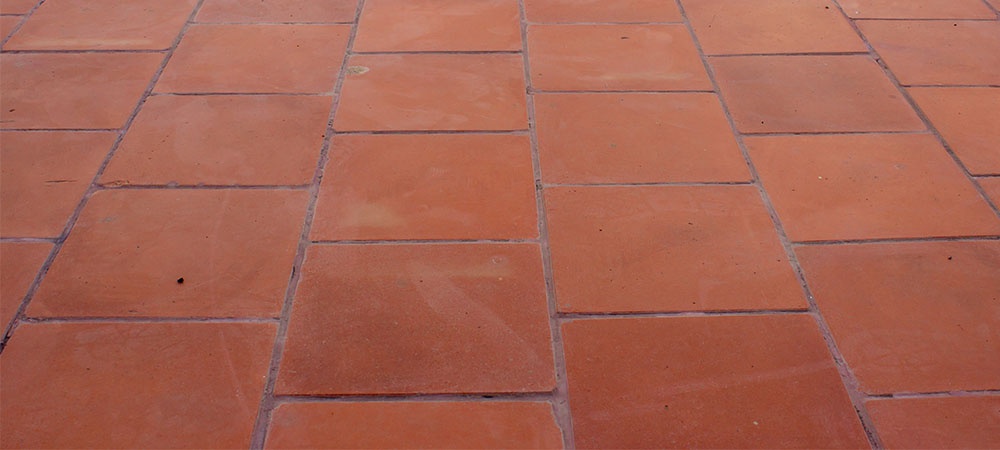
  • Terracotta

This type is less durable and requires frequent sealing to prevent stains.

tile flooring barrie

3. Laminate

You can use laminate for flooring your home. Just like engineered wood, this flooring solution has a thin veneer over plywood or compressed fiber layers. Its top isn’t wooden, although it looks like wood.

Laminate is ideal for high-traffic spaces like foyers, playrooms, and kitchens. It works well in basements if they don’t have leaks or stagnant water. However, don’t use it in wet rooms like laundry and bathrooms.

4. Vinyl

Do you like a resilient, softer flooring solution than wood or tile? Then vinyl is your best bet. This material is made of PVC plastic over layers of felt. Cushioned vinyl has a thin foam layer, making it more comfortable to walk on.

This flooring material is suitable for wet rooms, bathrooms, kitchens, and high-traffic areas like mudrooms. It’s ideal for basements because it tolerates moisture and doesn’t feel cold like tile.

5. Carpet

Are you locked up in a carpet vs laminate vs vinyl comparison and don’t know what to choose for your bedroom? Carpet comes in handy as a favorite choice for bedrooms and other living areas. Why? Because these areas get less dirt tracked, and nothing is likely to be spilled on them. Polypropylene carpets are still suitable for outdoor spaces like enclosed porches.

6. Linoleum 

Linoleum is another ancient and resilient flooring solution. It’s a natural solution made from linseed oil and cork powder. Its popularity has risen due to concerns about vinyl’s chemical content.

This flooring is excellent for family rooms, kitchens, and dens. It works well in bedrooms and basements that don’t have moisture challenges.

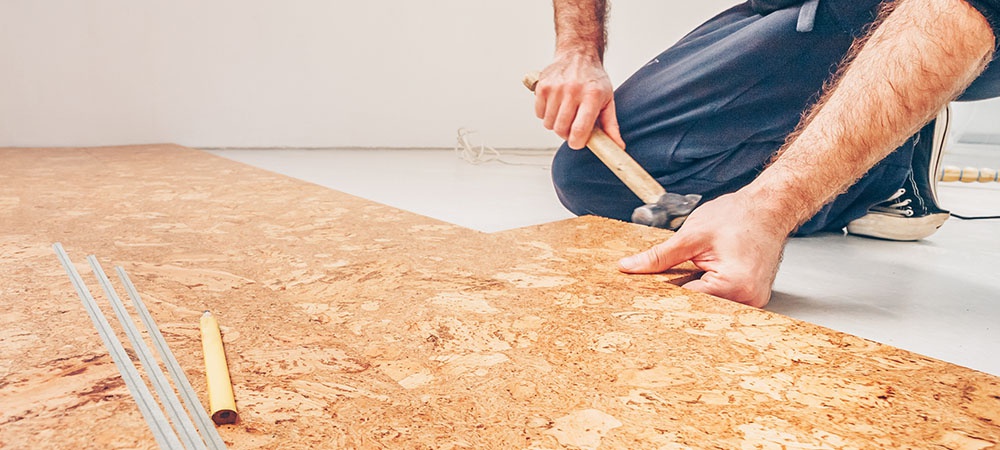
7. Cork

Do you want the best flooring type that brings nature into your home? Then cork is your best bet. Cork comes from a tree bark that can be harvested after every decade without killing the tree, making it sustainable. The bark is boiled, ground, compressed into sheets with resin binders, and baked in a kiln.

Cork is perfect for living rooms, playrooms, kitchens, and bedrooms. However, it’s unsuitable for high-traffic areas like mudrooms and wet spaces like bathrooms.

flooring installation barrie

Factors to Consider When Choosing the Best Flooring Type for Your Home

Here comes the best part of our discussion: choosing the best flooring type. You can choose it based on flooring pros and cons in different flooring materials, plus other considerations. Here are the top factors to consider.

  • Style

Style is a key factor when choosing your flooring material. It boils down to your personal preferences as long as they fit your existing items.

  • Maintenance 

Consider each material’s maintenance level and cost. Some floor types need more work and time to maintain and clean, while others don’t. For example, resilient floor types like vinyl and laminate require minimal maintenance. You only need to give them a quick mop to keep them looking fresh and new.

  • Budget 

Your budget is another significant factor to consider before selecting a particular flooring solution for your home. You should know and stick to your budget to avoid unnecessary financial challenges. Thankfully, the market has different excellent flooring materials that fit any homeowner’s budget. Stick to yours.

  • DIY vs. Professional Installation

Do you want to install your flooring solution or hire a professional to do it for you? How you wish to fix it determines your material choice. Why? Because some flooring materials need professional installation while others don’t. For example, laminate and engineered hardwood are the easiest floor types amateurs can install.

If you choose the DIY path, ensure you stick to the above two types and have enough time and appropriate tools. Otherwise, you could suffer many headaches.

  • Practicality 

Lastly, consider practicality before opting for any flooring material. Consider the amount of use your flooring will receive and the type of activities in a given room. How frequently or occasionally you use a room should inform the flooring material you will use.

For example, kitchen activities expose it to stains and spills. Thus, you need a hardy and easy-to-clean material in such spaces. Flooring solutions for high-moisture locations like bathrooms must be strong enough to handle high moisture levels.

vinyl flooring solution barrie

Let’s Help You Do Your Flooring Today

Choosing the best flooring type can be challenging. However, following the insights we shared in this post can help you make the best choice for your home. We hope this information helps you make an informed choice.

Do you need help with your flooring needs? Don’t hesitate to contact us today for a free quote and consultation.
What Is the Difference Between Solid and Engineered Hardwood Flooring?

Solid and engineered hardwood floorings are the favorite wooden options many homeowners love. They offer homeowners alternatives that meet their varying needs, likes, and preferences. They have beautiful similarities, including appearance. No wonder it’s almost impossible to distinguish the two floorings after their installation. 

Despite appearing similar, these two flooring options differ in many ways. This post examines the nine top differences between them. Keep reading to understand and make an informed choice. 

What is Solid Hardwood Flooring? 

Solid hardwood flooring is a wooden floor made from solid wood planks. These planks are cut directly from tree trunks and converted into flooring planks. This wood is usually 3/4-inch thick and can vary in width from 2 1/2 to 5 inches. Anything beyond this width requires using engineered hardwood.

Most solid hardwood flooring usually comes to installation sites already finished and ready. Site-finished flooring gives you more options like a sheen, stain, and several coats. However, some products come unfinished, making installation easier and less messy.

This flooring option isn’t ideal for floating floors. Also, it isn’t suitable for use in areas prone to high temperatures and water. Therefore, you won’t find this flooring in basements, but you’ll often see them in bedrooms and living rooms. 

What is Engineered Hardwood Flooring?

Engineered hardwood flooring is real industrially made hardwood. It has a real hardwood plank covering layers of other wooden materials like plywood. The plywood is glued and laminated in a vertical pattern. 

This gluing makes the wood more stable and stronger enough to handle humidity, temperature, and moisture better. Therefore, it’s ideal for use in moisture-prone locations like basements. 

Its average thickness varies between 3/8-inch and 1/2-inch. The standard width ranges between 3 1/4-and 5 inches and more. Most of these hardwoods come site-ready, making their installation easier and quicker. Engineered hardwood has more options than solid hardwood because you can easily staple, glue, float, and nail down engineered hardwood of any width. 

9 Main Differences Between Solid and Engineered Hardwood 

Solid and engineered hardwood flooring differ in many ways. This section examines the top nine differences between these hardwood options.

1. Care and Maintenance 

These two flooring alternatives differ in terms of care and maintenance. 

  • Solid Hardwood 

Solid hardwood flooring is easier to maintain and clean. Most solid hardwood floors only require frequent sweeping, vacuuming, and occasional mopping with special cleaners to remove stains. Don’t clean them with steam or water. It is also ideal for long-term maintenance since you can conveniently refinish and sand it down many times during its lifespan. 

  • Engineered Hardwood 

Unlike solid hardwood flooring, many of these floors lack sufficient thickness for long-term sanding and refinishing. Mostly, you can only sand and refinish them once or twice during their lifetime. 

Which is the Better Option?

The two flooring alternatives are relatively easy to maintain. They only require simple sweeping and cleaning using recommended cleaners. So, they tie on this front.

care and maintenance

2. Cost

Cost is another area where these hardwood floors differ.

  • Solid Hardwood 

Solid hardwood flooring is more expensive than its engineered counterpart. An average prefinished hardwood flooring can cost $8 per square foot. 

  • Engineered Hardwood 

An engineered hardwood flooring is the cheaper option. Averagely, this flooring costs between
$2.50 and $10 per square foot.

Which is the Better Option?  

Overall, engineered hardwood floors are the better option for homeowners with a tight budget. Their labor installation cost is almost the same, ranging between $3 and $10 per square foot. However, the actual cost varies based on your locality’s prevailing labor costs and your rooms’ complexity. 

3. Durability 

These two flooring options also differ based on durability. Here are their differences. 

  • Solid Hardwood 

Solid hardwood flooring significantly outlasts its engineered counterpart. It can last between 30 and 100 years.

  • Engineered Hardwood 

Engineered hardwoods don’t last that long. With proper maintenance, they can last between 20 and 40 years. 

Which is the Better Option? 

Choosing solid hardwood for durability is smarter if you value generational continuity. This hardwood alternative can withstand many times of sanding and refinishing during its lifetime. Conversely, engineered products don’t score well here. They last a shorter time, especially if you sand and refinish them over two times. 

4. Ease of Installation

Ease of installation is another way these two flooring products differ. Let’s look at their installation differences. 

  • Solid Hardwood 

Most hardwood floors can be nailed to subfloors, usually plywood. You can also join them using tongue-and-groove planks. The nails don’t show after completing the floor.

  • Engineered Hardwood 

You can nail a few engineered hardwood floors to sub-floors using the click-and-lock system. After installation, the system floats over subfloors.

Which is the Better Option? 

Engineered hardwood floors outperform their natural solid counterparts on this front. Most DIYers find this floor’s installation easier to work with than solid hardwood flooring. 

5. Resale Value

These two hardwood floors also differ in their resale value. Here is how they differ on this front.  

  • Solid Hardwood 

When considering long-term resale value, you have no doubt that solid hardwood stands out head and shoulder taller than engineered hardwood. Why? Because it lasts longer than its industrial counterpart. Averagely, flooring your house with solid hardwood boosts your home’s sale price by much as 2.5%.

  • Engineered Hardwood 

Engineered hardwood flooring is still as attractive to prospective home buyers as its solid counterpart. However, its value addition to a home isn’t as high as that of solid hardwood. 

Which is the Better Option?

While adding engineered hardwood flooring to your home increases its resale value, solid hardwood flooring fetches you more value. 

resale value

6. Dimensions 

The two hardwood flooring alternatives differ in their sizes. Below are their size differences. 

  • Solid Hardwood 

The average solid hardwood flooring plank is 3/4 inch thick, 2 1/4 inches wide, and varies in length between 12 and 84 inches. Solid wood has other thicknesses and widths. However, its width never exceeds 5 inches.

  • Engineered Hardwood 

An average engineered wood flooring plank is usually thinner than its solid hardwood counterpart. It typically measures 3/8 to 9/16 inches thick. However, it’s wider than solid hardwood, reaching up to seven inches, and can measure between 12 and 60 inches long.

Which is the Better Option?

These flooring products tie on this front since no winner exists. Choosing one over the other purely depends on your need or preference for narrower or wider boards. Those preferring narrower boards settle for solid hardwood, while wider board lovers prefer engineered boards. 

7. Styles and Species

These wooden flooring products also differ in their styles and species. Let’s look at how they do. 

  • Solid Hardwood 

Solid hardwood is available in various species, such as oak, maple, and hickory. These species are the hardest and most resistant to wear and tear. Solid hardwood has varying widths of up to 5 inches and comes in many colors and textures. It’s up to you to discover many ways this product can fit your styling needs and preferences.

  • Engineered Hardwood 

Engineered hardwood has many of the design options solid hardwood has. Additionally, engineered hardwood flooring has unique design features like specialty textures, special surface treatments, color effects, and extra-wide planks.

Which is the Better Option?

The two flooring products tie on this front since your personal design and styling preferences inform your decision. 

8. Construction 

Construction is another way these two flooring products differ. Here is how they do it.

  • Solid Hardwood

Traditionally, many homeowners consider solid hardwood flooring the “gold standard.” Solid hardwood planks come from 100% wood, making them more durable, timeless, and authentic. 

  • Engineered Hardwood

Inversely, engineered hardwood comprises layers with 100% natural wood on top. It also has hardwood at its bottom and a stable core in between. Its core includes 5 to 7 plywood layers compressed together in a criss-crossed pattern. This composition makes it less vulnerable to expansion, shifting, and contracting when exposed to changing humidity, moisture, and temperature changes. 

Which is the Better Option?

The two products tie in this area since their construction suits varying uses.

9. Installation Location

Lastly, solid and engineered hardwood products differ based on their installation location.

  • Solid Hardwood

Solid hardwood flooring is best for use in above-ground and high-traffic spaces. You can use them in bedrooms, living and dining areas, and kitchens. However, their vulnerability to high humidity and temperature levels makes them unsuitable for use in bathrooms and laundry rooms.

  • Engineered Hardwood

Engineered hardwood flooring is suitable for any room in the house. You can use it in high-humidity and temperature spaces like basements.

Which is the Better Option?

We have no loser or winner here because their suitability depends on where you want to use them. 

easy to installation

Let’s Help You Floor Your House Today

There you go with all you need to know about how solid and engineered hardwood floorings differ. Which product do you want to install in your home this year? Don’t hesitate to talk to us about all your flooring needs. Call us today for a free estimate and consultation to kick-start your flooring project.

How Much Does Hardwood Flooring Cost?

Wooden floors are among the best and most appealing flooring options among many Canadian homeowners. Wood adds texture and warmth to your house, but it comes at a cost. Averagely, low-end wood flooring costs between $6 and $11 per square foot for installation and materials. High-end charges for materials and installation stand at $12 to $23 per square foot.

Our post discusses the dynamics of the overall cost of installing a wooden floor. Keep reading to discover how Bayfield Flooring can help you enjoy the best wood flooring solutions.

Factors Driving Hardwood Flooring Cost

Different factors drive the cost of installing wooden floors in Canada. Below are the top ones to help you make a smart decision.

1. Labor and Installation

Labor takes the bigger chunk of your contractor’s charges. If the installer spends more time on your flooring site, they will charge you more. Installing hardwood floors takes more time than softwood, pushing the price higher.

2. Finishes

Coating and finishes also determine the overall cost of installing hardwood floors. All hardwood floors require finishes (protective coatings) to make them more durable. These finishes can be applied at home after installation or at the factory.

However, factory finishes are more durable than those applied at home. You can start walking on the floor immediately after the contractor finishes installing it because you don’t have to wait for it to dry. Installing prefinished hardwood floors costs $6 to $12 per square foot. However, finishing it at home raises the labor costs by $2 to $5.

3. Flooring Pattern and Style

Your chosen flooring style and pattern also affect the amount of money you spend on your project. Choosing more angled and complex patterns like herringbone costs more money. The reason is that this pattern requires more cuts that waste flooring materials. Consequently, you spend more hardwood materials and money on this pattern.

Additionally, intricate patterns require more time to fix, raising the overall labor charges. If your rooms also have complex designs, they will need additional fitting time, increasing the overall price. So, settle for simple designs and layouts if you have a tight budget.

4. Tree Species

What type of tree species do you want to use for hardwood flooring? Your choice determines how much you will pay for your project. Different flooring hardwood tree species are available and have various rates, colors, and durability levels.

For example, Brazilian walnuts and mahogany are more expensive than American cherries or oaks. The latter pair costs between $5 and $15 per square foot. The former pair is more expensive, costing between $8 and $18 per square foot. So, choose your tree species carefully because they have serious cost implications.

5. Wood Grade

Hardwood grade is another factor that drives flooring prices. Remember, wooden floors have grades based on their physical features. Below are some grades to know before choosing your flooring wood.

  1. Lowest– This grade includes softwoods, such as pine and poplar. Flooring wood in this category costs between $3 and $6 per square foot. You need an extra $3 to $5 per square foot to install the wood on the floor.
  2. Middle– This category features common and readily available hardwood options such as oak, teak, and American cherry. Expect to part with $5 to $10 per square foot for the wood and $4 to $8 for installation.
  3. Highest– This class comprises the most expensive and exotic hardwood options like tigerwood, mahogany, and Brazilian walnut. You’ll spend between $8 and $15 per square foot on wood and another $4 to $8 on installation.

6. Grain and Color

Color and grain are other factors that drive the overall cost of installing a hardwood floor. Each tree species has its different color scheme that creates various ambiances. For instance, homeowners who like rich and darker tones may choose walnut and mahogany.

If you prefer a light hair outlook, maple and ash would be your best bet because of their more pale colors. You should choose oak or hickory if you want a warm and medium shade in your home.

A tree’s grain and color patterns determine its beauty and overall price. Trees with wavy patterns are the least expensive, while those with grains running in their lines are the costliest. For instance, oak has tighter and more visible wood grain, while white ash and acacia have varying patterns.

hardwood flooring cost

How to Calculate Hardwood Flooring Costs

Prices have serious budgetary implications on your hardwood flooring project. Therefore, understand how to calculate these costs before moving forward. An accurate calculation saves you last-minute cost surprises.

Your calculation should show how much hardwood will cost you. It should also include your target flooring site’s square footage, plus a 5% to 10% to cover cuts and wastage. Afterward, take the amount and multiply it by the square foot price of the flooring to get the cost.

Remember to add the additional costs of other items like thresholds, moldings, and nails. Use this formula to calculate the general price:

(Square footage + 5 to 10 percent of square footage) x cost per square foot = cost.

An excellent example would be 1200 + 120 = 1,320 x $24 = $10,060

How to Save on Hardwood Flooring Costs

Now you know the factors that affect a hardwood flooring project’s cost and how to calculate them. The good news is that these expenses aren’t cast in stone. You can do something to change them in your favor to suit your budget. Here are tips on how to do it.

1. Understand Various Flooring Materials

Different hardwood materials have varying prices. Therefore, research them thoroughly to understand how these variations affect your overall project’s price. Select your materials carefully based on their thickness, grains, lengths, and species.

2. Demolish the Old Floor Yourself

You can also save on your flooring costs by demolishing your old floor yourself. Only ensure that you have the correct tools, stamina, and skills to do it. This way, you will save a significant chunk on your labor costs.

3. Remove the Furniture

Clearing your flooring space is another way of saving on expenses. Your contractor will charge you for all the time they spend on your site. Thus, the less work they have, the less time they spend, and the less you’ll pay for labor charges.

4. Prepare the Materials

It’s prudent to buy materials early to save your installer’s time. Rushing to purchase items when the contractor is idly waiting on site will cost you more money. Therefore, it’s prudent to consult them on everything you should buy before they commence work. This step will also save you the pain of wasting money purchasing unnecessary materials.

5. Choose Between Solid and Artificial Wood

You can save money by choosing between natural and industrial hardwood flooring options. Engineered wood has several layers, while solid wood doesn’t. The engineered version is more durable and costlier to purchase but cheaper to install. Inversely, solid hardwood is more affordable to buy but more expensive to install. So, choose carefully.

6. Do Enough Window Shopping

Finally, do enough window shopping to save costs on your hardwood flooring project. Don’t settle for any contractor before interviewing several other options in town. Consult your family and friends to recommend a contractor if they know one or several. Don’t forget to read genuine reviews from reputable review sites.

When reading reviews, remember that many users often don’t review a contractor unless they had an exceptionally excellent or painful experience. Therefore, it’s better to check how these reviews trend and how politely or professionally the contractor responds.

save hardwood flooring

Advantages of Hardwood Floors 

Hardwood floors are beautiful installations with numerous advantages. Here are some of the benefits you enjoy by installing them.

  • Durability

A professionally done hardwood floor can last for many generations, even in high-traffic locations like the living room, kitchen, or dining room.

  • Eco-friendly

A wooden floor is the best choice for allergic persons because they’re environmentally friendly. Using fast-growing options like bamboo makes it easier to replenish the environment.

  • Visual Appeal

Hardwood floors come with visually appealing shapes and patterns that make them an attractive focal point. Natural wood has unique colors and grains.

  • Long-term ROI

You can also improve your home’s sale or resale value by installing a high-quality hardwood floor. Thus, you have a long-term investment if you decide to sell your home.

  • Maintenance Ease

It’s easy to maintain a hardwood floor because it only requires weekly sweeping, vacuuming, or dry mopping. This floor only needs an occasional deep clean. A hardwood floor with an excellent finish is also stain and odor-resistant.

  • Acoustics 

Lastly, a hardwood floor improves your home’s acoustics. It echoes your feet as you walk on it, bettering your home’s music system.

Let’s Help You Floor Your Floor Today

That’s all you need to know about the cost of installing a hardwood floor. Do you need help with your next hardwood flooring needs? Don’t hesitate to talk to Bayfield Flooring, your best flooring partner. Our lines are open. Call us today for a free consultation and estimate.